Biophilic Design in Retail: Bringing Nature Inside

Retail environments are undergoing a quiet yet powerful transformation. As consumers seek healthier, more meaningful spaces, nature-inspired design has emerged as a defining element of modern commercial architecture. This shift reflects a growing understanding that built environments profoundly influence human well-being, behavior, and emotional connection.
Within this context, Biophilic Design has become a strategic approach in contemporary retail. By integrating natural elements into indoor spaces, shopping centers and retail destinations are redefining how people experience commerce, community, and place.
- Understanding Biophilic Design
- Why Nature Matters in Retail Spaces
- Key Elements of Biophilic Retail Design
- Enhancing Customer Experience Through Nature
- Supporting Well-Being and Mental Health
- Sustainability and Environmental Responsibility
- Biophilic Design as a Competitive Advantage
- Technology Supporting Nature Integration
- Nature-Centered Retail Design
- Challenges and Considerations
- The Future of Nature-Inspired Retail
Understanding Biophilic Design
Biophilia refers to the innate human affinity for nature and natural systems. The concept suggests that people thrive when they are connected to natural environments, even within urban or indoor settings.
In design, this philosophy translates into the intentional incorporation of natural light, vegetation, organic materials, water features, and visual connections to nature. Rather than decorative additions, these elements are integrated holistically to support physical, mental, and emotional well-being.
In retail settings, this approach responds to modern challenges such as stress, sensory overload, and the detachment often associated with highly commercialized environments.
Why Nature Matters in Retail Spaces
The rise of digital commerce has changed consumer expectations. Physical retail must now offer experiences that cannot be replicated online. Nature-inspired environments provide sensory richness, comfort, and authenticity—qualities that encourage visitors to slow down and engage more deeply with their surroundings.
Research published by the International WELL Building Institute demonstrates that exposure to natural elements improves mood, reduces stress, and increases time spent in physical spaces.
These benefits translate directly into retail performance, making nature integration both a human-centered and commercially sound strategy.
Key Elements of Biophilic Retail Design
Natural Light and Visual Transparency
Biophilic Design daylight is one of the most impactful design elements. Large windows, skylights, and open atriums allow sunlight to penetrate deep into retail spaces, reducing reliance on artificial lighting while enhancing comfort and orientation.
Visual transparency between indoor and outdoor environments reinforces a sense of openness and connection to the surrounding landscape.
Indoor Greenery and Living Systems
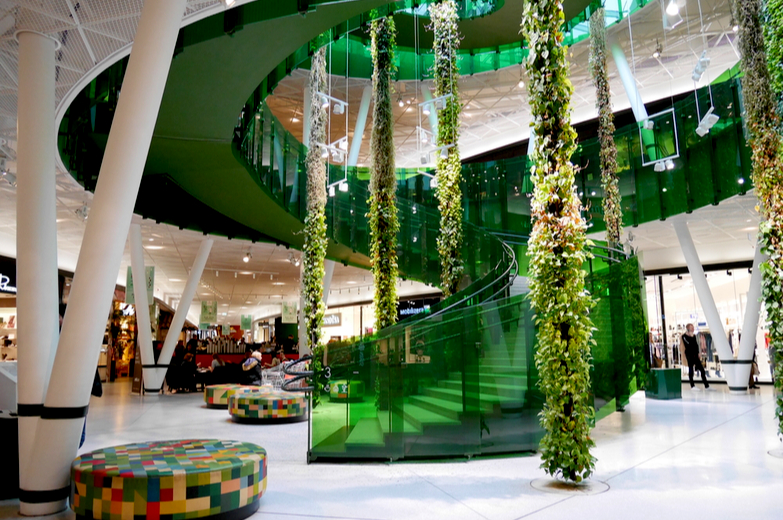
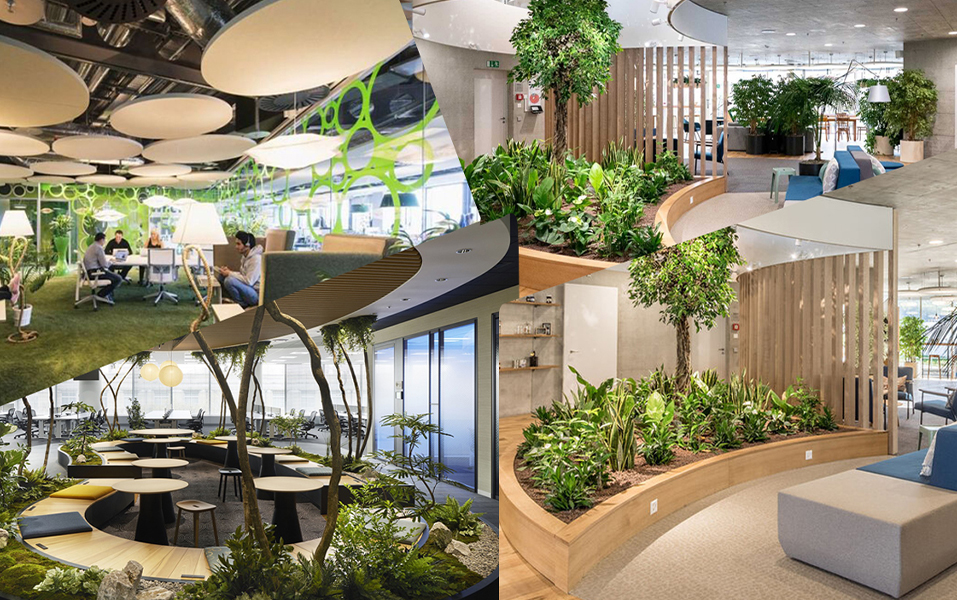
Plants, green walls, and indoor gardens bring life and movement into retail environments. Beyond aesthetics, vegetation improves air quality, regulates humidity, and creates calming visual rhythms.
When thoughtfully integrated, greenery becomes a defining feature rather than a decorative afterthought.
Natural Materials and Textures
Wood, stone, water, and natural fibers introduce tactile richness and warmth. These materials age gracefully and communicate authenticity, reinforcing emotional trust between visitors and space.
Organic textures also help soften large-scale environments, making them feel more human and approachable.
Enhancing Customer Experience Through Nature
Retail environments designed with nature in mind encourage longer visits and deeper engagement. Visitors are more likely to explore, relax, and return to spaces that feel restorative rather than overwhelming.
In shopping centers, nature-inspired zones provide opportunities for rest, conversation, and reflection. These moments of pause enhance overall satisfaction and create positive associations with the destination.
This experiential quality is especially valuable as retail increasingly competes with digital platforms for attention and loyalty.
Supporting Well-Being and Mental Health
Modern life is characterized by constant stimulation and limited exposure to natural environments. Retail spaces that incorporate natural elements help counteract these conditions by offering moments of calm and sensory balance.
Studies from the American Psychological Association indicate that environments with natural features support stress reduction, cognitive clarity, and emotional regulation.
As everyday destinations, retail environments have the potential to positively influence public well-being at scale.
Sustainability and Environmental Responsibility
Nature-inspired design often aligns closely with sustainability goals. Biophilic Design in the Energy-efficient lighting, natural ventilation, and responsibly sourced materials reduce environmental impact while improving occupant comfort.
Water features that recycle systems, green roofs, and indoor landscaping contribute to biodiversity and climate resilience within urban and suburban developments.
This alignment reinforces trust and credibility, particularly among environmentally conscious consumers.
Biophilic Design as a Competitive Advantage
Retail destinations that prioritize human-centered environments stand out in an increasingly crowded market. Nature integration signals care, quality, and long-term vision.
For tenants and brands, these environments enhance brand perception and support positive customer interactions. For visitors, they create emotional resonance that extends beyond individual transactions.
This strategic value positions Biophilic Design as a differentiator rather than a trend.}
Technology Supporting Nature Integration
Digital innovation enhances the effectiveness of nature-inspired retail environments. Smart lighting systems adapt to natural circadian rhythms, while environmental sensors optimize air quality and comfort.
Interactive installations can also educate visitors about sustainability, plant species, or local ecosystems, deepening engagement and awareness.
When technology supports rather than replaces natural elements, it strengthens the overall experience.
Nature-Centered Retail Design
Expertise Through Research and Practice
Successful implementation requires collaboration among architects, environmental psychologists, landscape designers, and sustainability experts. This interdisciplinary expertise ensures evidence-based outcomes.
Alignment with recognized frameworks such as WELL, LEED, or local green building standards reinforces credibility and demonstrates commitment to best practices.
Trust Built Through Authentic Implementation
Visitors quickly recognize superficial gestures. Trust emerges when nature integration is consistent, functional, and maintained over time.
Challenges and Considerations
Biophilic Design in the integrating natural systems indoors requires careful planning, maintenance, and investment. Climate control, plant health, and long-term operational strategies must be considered from the outset.
However, these challenges are balanced by long-term benefits in energy efficiency, user satisfaction, and brand value.
Successful projects view nature integration as an ongoing commitment rather than a one-time installation.
The Future of Nature-Inspired Retail
As awareness of environmental and mental health issues grows, nature-centered design will continue to shape the future of retail environments.
Hybrid spaces that blend commerce, leisure, and wellness will increasingly rely on natural elements to create balance and authenticity.
In this future, retail environments will not only serve economic functions, but also contribute positively to everyday quality of life.
Nature has always played a vital role in human well-being. By bringing natural elements indoors, retail environments reconnect people with this essential relationship.
Biophilic Design offers a framework for creating spaces that are healthier, more sustainable, and emotionally engaging. In doing so, it elevates retail from a transactional activity to a meaningful human experience.
As retail continues to evolve, the integration of nature will remain a powerful driver of relevance, resilience, and long-term value.
Leave a Reply