Reimagining the Mall: Mixed-Use Developments & New Economies

- The Decline of the Single-Purpose Mall Model
- What Mixed-Use Development Really Means
- Reimagining Economic Value Beyond Retail Sales
- Creating 24/7 Destinations
- Social and Community Impacts
- Design Principles Supporting Mixed-Use Success
- The Role of Local Economies and Small Businesses
- Technology and Data-Driven Development
- Mixed-Use Mall Transformation
- Challenges and Risks
- The Future of Mixed-Use Retail Environments
The Decline of the Single-Purpose Mall Model
For decades, the enclosed mall represented a dominant retail format. However, shifts in consumer expectations, the rise of e-commerce, and changing urban patterns have challenged the sustainability of single-purpose retail destinations.
Vacancy rates, declining foot traffic, and increased competition reimagining forced developers and operators to rethink the role of physical retail. Rather than signaling the end of malls, these challenges created an opportunity for reinvention.
This moment of transition marked the beginning of a broader movement toward integrated, experience-driven environments.
What Mixed-Use Development Really Means
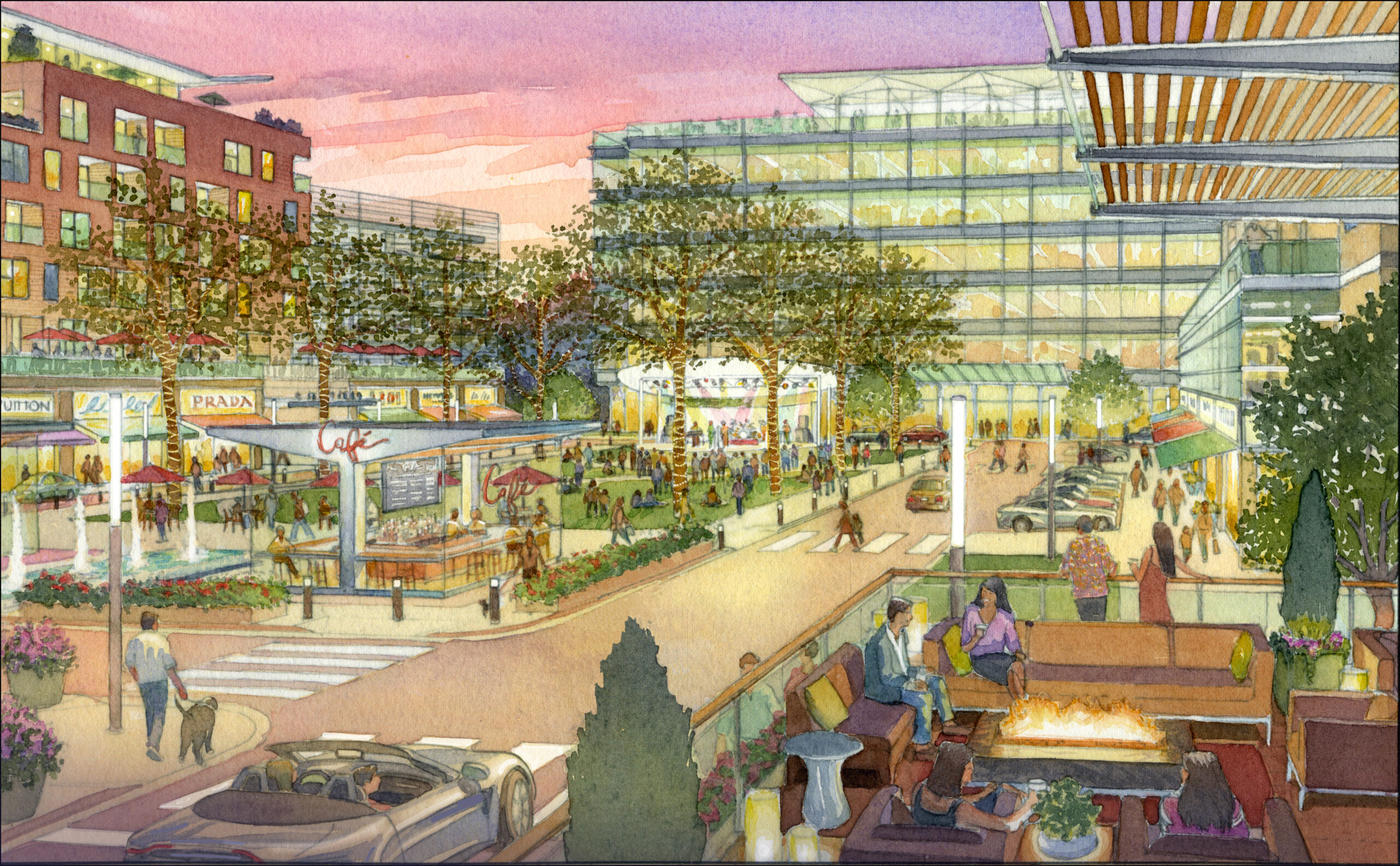
Mixed-use development refers to the intentional integration of multiple functions within a single site or district. In the context of retail environments, this often includes housing, workplaces, entertainment, public services, and green spaces alongside shopping and dining.
This approach creates continuous activity throughout the day and week, reducing reliance on peak shopping hours and increasing overall resilience.
By blurring the boundaries between living, working, and leisure, mixed-use environments reflect how people actually move through and experience cities today.
Reimagining Economic Value Beyond Retail Sales
One of the most significant outcomes of this transformation is the emergence of new economic models. Revenue is no longer dependent solely on retail leases and sales performance.
Residential units, co-working spaces, healthcare facilities, educational institutions, and hospitality components diversify income streams while stabilizing long-term returns.
This economic diversification allows retail destinations to adapt more effectively to market fluctuations and changing consumer preferences.
Creating 24/7 Destinations
Traditional shopping reimagining centers often experienced predictable peaks and lulls. In contrast, mixed-use developments foster continuous activity by serving multiple user groups at different times of day.
Residents generate morning and evening activity, office workers activate daytime hours, and entertainment and dining extend vibrancy into the night.
This constant presence enhances safety, supports local businesses, and reinforces a sense of place.
Beyond economics, mixed-use retail environments play a growing role in community life. They offer accessible spaces for social interaction, cultural programming, and civic engagement.
Plazas, event spaces, libraries, and wellness centers integrated into retail sites strengthen social infrastructure and encourage community ownership.
Design Principles Supporting Mixed-Use Success
Human-Scale Planning
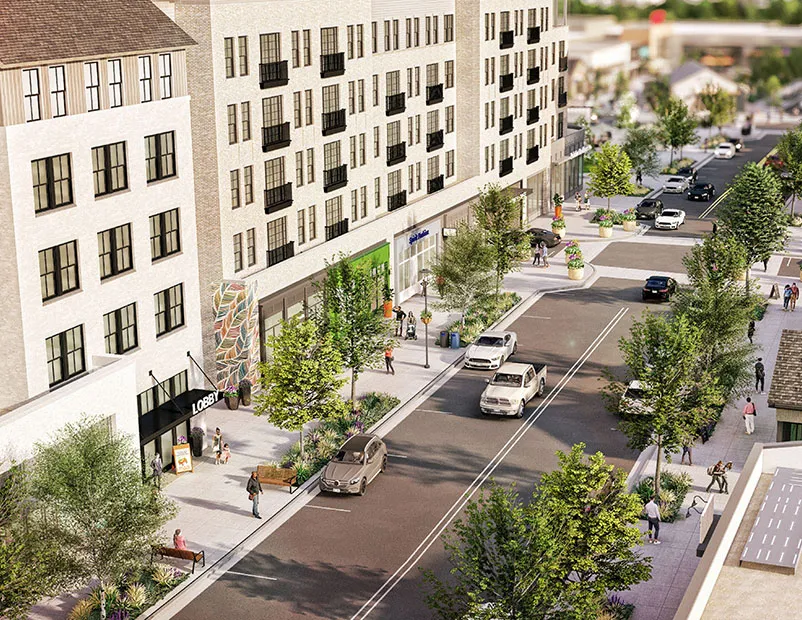
Successful mixed-use environments prioritize walkability, intuitive navigation, and human-scale design. Streetscapes, open-air corridors, and clearly defined public realms encourage exploration and comfort.
Flexible and Adaptable Spaces
Flexibility is essential in a rapidly changing economic landscape. Spaces designed to evolve over time—through modular layouts or adaptive reuse—extend the lifespan and relevance of developments.
Integration of Green and Public Spaces
Green areas, courtyards, and pedestrian plazas provide balance within dense developments. These spaces support well-being while reinforcing the social role of the environment.
The Role of Local Economies and Small Businesses
Reimagining destinations offer opportunities to support local entrepreneurship. Smaller, flexible units allow independent businesses, startups, and creative enterprises to coexist alongside national brands.
This diversity strengthens local economies and enhances authenticity, making destinations more appealing to residents and visitors alike.
Local partnerships also reinforce trust and long-term community engagement.
Technology and Data-Driven Development
Digital tools play a crucial role in managing and optimizing mixed-use environments. Data analytics inform tenant mix, space utilization, and programming decisions.
Smart infrastructure supports energy efficiency, mobility, and user experience across residential, commercial, and public components.
Technology enables these complex environments to function as cohesive, responsive systems rather than disconnected uses.
Mixed-Use Mall Transformation
Expertise Through Multidisciplinary Collaboration
Reimagining large-scale retail environments requires expertise across real estate, urban planning, economics, and social sciences. Successful projects are guided by evidence-based strategies and long-term vision.
Developments that align with best practices and reference successful global precedents demonstrate authority and credibility in the marketplace.
Trust Through Community Engagement
Trust is built when communities are involved early and meaningfully. Transparent communication and shared decision-making foster long-term support.
Challenges and Risks
Mixed-use developments are complex and capital-intensive. Regulatory hurdles, infrastructure demands, and coordination among multiple stakeholders present significant challenges.
There is also a risk of excluding local communities if developments prioritize premium offerings without inclusive planning.
Addressing these risks requires intentional design, equitable policies, and continuous dialogue.
The Future of Mixed-Use Retail Environments
As cities and suburbs continue to evolve, mixed-use developments will play an increasingly central role in shaping everyday life.
Retail environments that successfully integrate living, working, and social functions will become anchors of local economies and community identity.
This future depends on adaptability, sustainability, and a commitment to long-term value creation.
The transformation of traditional shopping centers represents more than a design trend—it reflects a fundamental shift in how people interact with space, economy, and community.
By embracing mixed-use development, retail environments are being repositioned as dynamic ecosystems that support new economies and richer social experiences.
Reimagining the mall in this way ensures its relevance not only as a commercial destination, but as an integral part of everyday life.
Leave a Reply