Iconic American Malls You Must Visit in 2026

- What Makes a Mall Truly Iconic Today?
- Architecture as Identity
- Cultural Programming and Experiential Depth
- Entertainment as a Core Anchor
- Food, Dining, and Social Rituals
- Technology Enhancing, Not Replacing, Experience
- Community Integration and Social Value
- Sustainability as a Defining Standard
- Why These Destinations Matter in 2026
- Behind Iconic Retail Destinations
- The Future of Iconic Retail Experiences
What Makes a Mall Truly Iconic Today?
In the past, size and brand concentration often defined prestige. Today, iconic status is shaped by a more complex set of factors that align with contemporary values and expectations.
A truly iconic destination offers a sense of place. It reflects its surrounding community while remaining open to global influences. Architecture, programming, and public space design work together to create memorable experiences rather than interchangeable retail environments.
These malls succeed because they feel meaningful, not merely convenient.
Architecture as Identity
Design plays a central role in shaping perception and emotional connection. The most influential retail destinations invest in architecture that tells a story, integrates natural elements, and prioritizes human-scale experiences.
Open-air promenades, sculptural forms, adaptive reuse of historic structures, and seamless indoor-outdoor transitions are increasingly common. These design strategies transform malls into landmarks rather than anonymous commercial boxes.
According to the Architectural Digest, experiential architecture is now a defining factor in destination-driven retail environments.
Cultural Programming and Experiential Depth
Iconic American that stand the test of time offer more than shopping. Cultural programming—such as exhibitions, live performances, seasonal festivals, and educational events—creates layers of engagement that extend beyond commerce.
These experiences encourage repeat visits and position shopping centers as cultural hubs rather than transactional spaces.
By offering dynamic, evolving content, malls remain relevant in a rapidly changing cultural landscape.
Entertainment as a Core Anchor
Entertainment has become a central pillar of iconic retail destinations. Cinemas, immersive attractions, interactive art installations, and family-oriented experiences draw diverse audiences and extend dwell time.
Unlike traditional anchors, experiential attractions generate emotional connections that translate into long-term loyalty and destination appeal.
This shift reflects a broader move from consumption-based value to experience-based value.
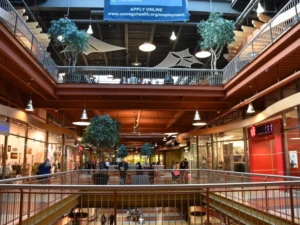
Dining is no longer a supporting function—it is a defining feature. Curated food halls, chef-driven concepts, and locally inspired dining experiences transform shopping centers into social destinations.
Food brings people together, encourages lingering, and supports informal social rituals that strengthen community bonds.
The integration of diverse culinary offerings reflects cultural openness and enhances the overall sense of place.
Technology Enhancing, Not Replacing, Experience
The most forward-thinking iconic American use technology to enhance human experience rather than dominate it. Smart wayfinding, digital art, interactive storytelling, and seamless connectivity support exploration and comfort.
Data-driven insights also inform programming and space optimization, ensuring that environments respond to real user behavior.
Technology becomes invisible infrastructure—supporting, not distracting from, meaningful engagement.
Iconic destinations are deeply embedded in their communities. They provide accessible public spaces, host civic events, and support local initiatives.
Rather than isolating themselves from surrounding neighborhoods, these malls function as extensions of public life.
Sustainability as a Defining Standard
Environmental responsibility is now inseparable from prestige. Leading iconic American incorporate sustainable design strategies such as energy-efficient systems, natural lighting, green roofs, and responsible material sourcing.
These initiatives reduce environmental impact while enhancing comfort and well-being.
Sustainability is no longer a differentiator—it is an expectation for relevance in 2026 and beyond.
Why These Destinations Matter in 2026
The malls that define this era do more than adapt to change—they actively shape cultural and economic patterns. They influence how people gather, how cities grow, and how commerce integrates into daily life.
These destinations serve as living laboratories for new ideas about retail, urbanism, and community.
Their success signals broader shifts in consumer values toward experience, authenticity, and connection.
Behind Iconic Retail Destinations
Expertise in Design and Operations
Iconic American malls are developed and managed by multidisciplinary teams with deep expertise in architecture, placemaking, retail strategy, and community engagement.
Their influence extends beyond commercial success, often serving as reference points for future developments and industry best practices.
Trust Built Through Consistency and Care
Long-term maintenance, evolving programming, and transparent communication foster trust among visitors and local communities.
The Future of Iconic Retail Experiences
Looking ahead, iconic retail destinations will continue to blur the lines between shopping, culture, and public life.
Hybrid models that integrate wellness, education, housing, and civic functions will further expand the role of malls in everyday experience.
In this future, relevance will be defined by adaptability and human-centered design.
The most iconic American of 2026 are not defined by scale alone, but by meaning. They reflect cultural values, support community life, and offer experiences that cannot be replicated online.
These destinations represent the evolution of retail into something richer, more human, and more connected.
Iconic American malls are no longer just places to visit—they are places to experience, remember, and return to.
Leave a Reply