Malls as Social Infrastructure in Suburban Areas

Across suburban landscapes in the United States, retail environments have undergone a profound transformation. Once designed primarily as commercial destinations, shopping centers are increasingly fulfilling a broader civic role. They are becoming vital social infrastructure—spaces where people gather, interact, and build community beyond the act of consumption.
This evolution reflects deeper shifts in suburban life, including changing demographics, remote work patterns, and a renewed desire for shared public spaces. In this context, malls are no longer peripheral amenities; they are emerging as central pillars of social connectivity and everyday life.
- Understanding Social Infrastructure in Suburban Contexts
- The Historical Role of Suburban Shopping Centers
- Why Suburban Communities Need Shared Spaces More Than Ever
- Designing Malls for Social Interaction
- Programming as a Tool for Community Building
- Inclusivity and Accessibility in Suburban Retail Spaces
- The Economic Value of Social Infrastructure
- Technology Supporting Social Connectivity
- Challenges Facing Suburban Social Infrastructure
- The Future of Suburban Malls
Social infrastructure refers to physical spaces that support social interaction, community engagement, and collective well-being. Libraries, parks, schools, and community centers traditionally filled this role. However, suburban development patterns—often characterized by low density and car dependency—have historically limited access to such shared spaces.
In many suburban areas, retail centers naturally filled this gap. Their accessibility, scale, and amenities positioned them as informal gathering places long before the concept of social infrastructure entered public discourse.
Today, this function is being recognized, refined, and intentionally designed into modern retail environments.
The Historical Role of Suburban Shopping Centers
Post-war suburban expansion in the mid-20th century reshaped how communities formed and interacted. As residential neighborhoods spread outward, centralized town squares became less common. Malls emerged as one of the few consistent destinations where people from different neighborhoods crossed paths.
While initially focused on convenience and commerce, these spaces gradually absorbed social functions—teenagers meeting after school, seniors walking for exercise, families spending weekends together.
This organic social role laid the groundwork for the more intentional community-oriented developments seen today.
Changing Lifestyles and Work Patterns
Remote and hybrid work have altered daily routines, reducing time spent in urban centers while increasing the need for nearby social interaction. Suburban residents now seek local destinations that provide structure, connection, and a sense of belonging.
Research from institutions such as the Harvard T.H. Chan School of Public Health highlights the growing public health impact of social isolation. Accessible, welcoming public spaces play a critical role in mitigating loneliness and strengthening social ties.
Retail environments that encourage lingering, conversation, and shared experiences help address this challenge in practical, everyday ways.
The shift toward social infrastructure requires thoughtful design. Contemporary developments prioritize openness, flexibility, and comfort, creating environments that invite people to stay rather than simply pass through.
Open Layouts and Flexible Spaces
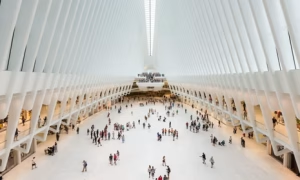
Modern layouts emphasize natural light, open-air elements, and adaptable zones that can host events, performances, or informal gatherings. These features encourage spontaneous interaction and community use in the malls.
Seating, Green Areas, and Walkability
Comfortable seating, landscaped areas, and pedestrian-friendly design transform retail centers into places for relaxation and connection. These elements signal that visitors are welcome to linger, socialize, and engage on their own terms.
Programming as a Tool for Community Building
Events and activities play a crucial role in reinforcing the social function of retail spaces. Farmers’ markets, cultural festivals, fitness classes, and educational workshops bring diverse groups together around shared interests.
Such programming turns shopping centers into predictable, trusted venues for community life—places where residents know something meaningful is always happening.
Urban studies research published by the Brookings Institution emphasizes that consistent, inclusive programming strengthens local identity and civic engagement.
Inclusivity and Accessibility in Suburban Retail Spaces
As social infrastructure, shopping centers must serve diverse populations. Accessibility, inclusivity, and safety are foundational to their success.
Serving Multiple Generations
Effective design considers the needs of children, teenagers, adults, and seniors alike. Play areas, quiet zones, family amenities, and accessible pathways ensure that everyone feels welcome.
Cultural and Economic Inclusivity
Tenant diversity, affordable dining options, and culturally inclusive events help reflect the full spectrum of the surrounding community. This inclusivity builds trust and long-term malls loyalty.
From a business perspective, community-oriented spaces deliver measurable benefits. Longer dwell times, repeat visits, and stronger emotional connections translate into sustainable economic performance.
Retail environments that function as social hubs are more resilient to market shifts, including the rise of e-commerce. Their value lies not only in transactions, but in relationships.
This approach redefines success metrics, placing community impact alongside financial performance.
Digital tools enhance the social role of shopping centers when used strategically. Event calendars, mobile apps, and interactive installations help visitors discover activities and connect with one another.
Technology also supports accessibility through wayfinding, real-time updates, and inclusive design features.
Rather than replacing human interaction, these tools amplify opportunities for connection and engagement.
Expertise and Planning
Developing retail spaces as social infrastructure requires collaboration among architects, urban planners, sociologists, and community leaders. This multidisciplinary expertise ensures thoughtful, evidence-based design.
Partnerships with local governments, nonprofits, schools, and health organizations reinforce credibility and expand the social impact of retail environments.
Trust Built Through Consistency
Trust emerges when communities see long-term commitment rather than short-term marketing initiatives. Consistent programming, maintenance, and community engagement build lasting relationships.
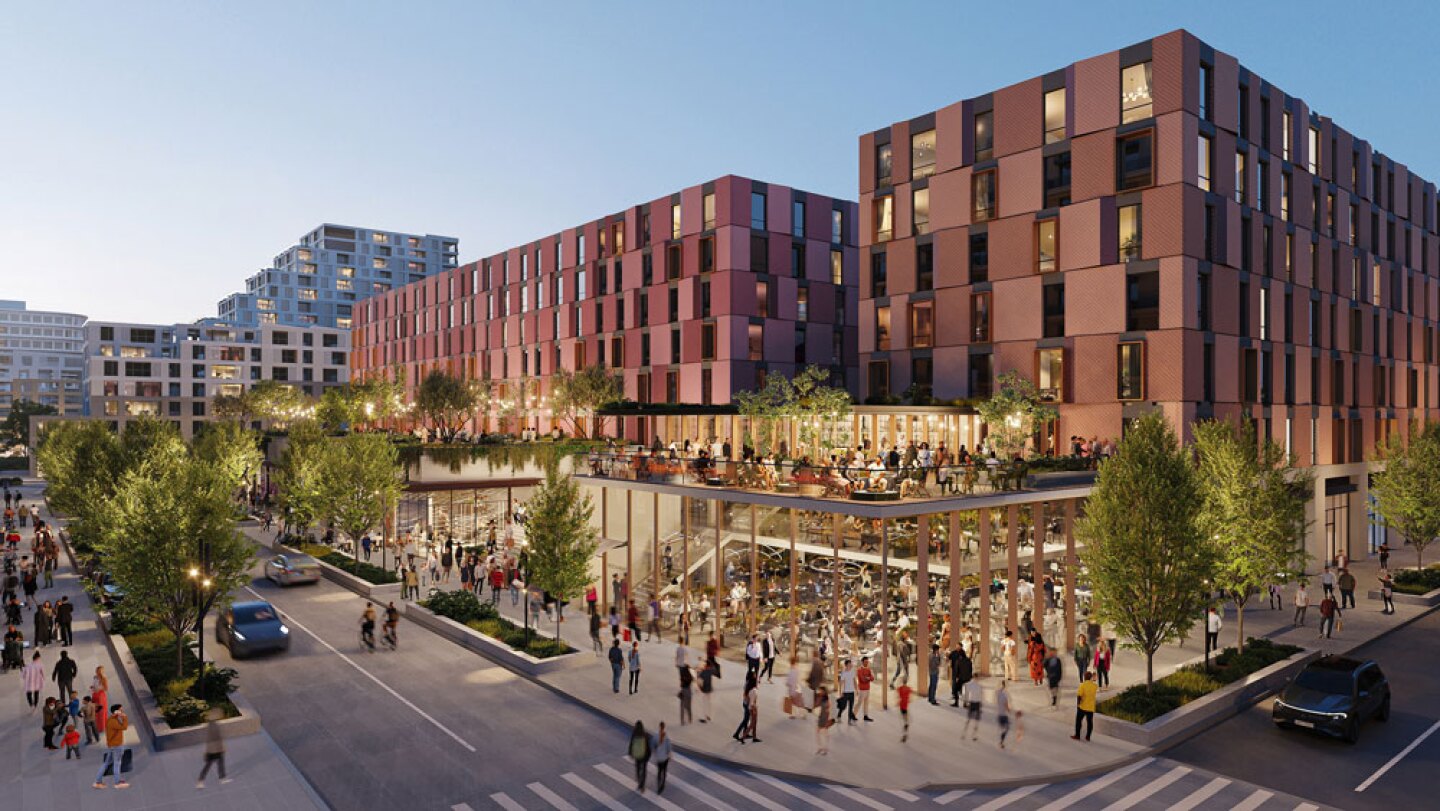
Transforming retail centers into social hubs is not without challenges. Balancing commercial objectives with public value requires careful planning and ongoing investment.
There is also a need to avoid exclusion, over-commercialization, or displacement of local character. Continuous dialogue with community stakeholders is essential.
Successful developments view these challenges as opportunities for learning and adaptation.
The Future of Suburban Malls
Looking ahead, the role of retail environments will continue to expand. As suburban populations diversify and lifestyles evolve, demand for accessible, meaningful shared spaces will grow.
Mixed-use developments, sustainability initiatives, and community-driven design will further integrate shopping centers into daily life.
In this future, malls that embrace their role as social infrastructure will remain relevant, resilient, and deeply valued by the communities they serve.
Suburban shopping centers are no longer defined solely by retail. They are becoming essential social infrastructure—places where people connect, participate, and belong.
By prioritizing inclusivity, experience, and community engagement, these spaces address fundamental social needs while maintaining economic vitality.
As suburban life continues to evolve, the transformation of malls into social anchors represents not just a trend, but a necessary adaptation for sustainable, connected communities.
Leave a Reply