Green Malls: Pioneering Sustainable Practices in Retail

As environmental concerns grow globally, the retail industry is embracing sustainability through green malls—shopping centers designed to reduce ecological impact while enhancing visitor experience. Integrate energy-efficient systems, eco-conscious architecture, and community-oriented initiatives, making them leaders in sustainable urban development. These malls not only reduce operational costs but also promote social responsibility and environmental awareness among consumers.
This article explores the principles of green malls, their design strategies, environmental benefits, and case studies illustrating how sustainability is transforming the retail sector.
What Are Green Malls?
Are shopping centers designed, constructed, and operated to minimize their environmental footprint. Key aspects include:
- Energy-efficient lighting, HVAC, and water systems
- Use of sustainable materials and construction practices
- Integration of green spaces, natural lighting, and ventilation
- Programs promoting recycling, waste reduction, and eco-conscious consumer behavior
- Community engagement with environmental initiatives
By embedding sustainability into every level of operation serve as models for responsible urban development.
Design Principles of Green Malls
Energy Efficiency and Renewable Energy
Often utilize solar panels, energy-efficient LED lighting, and optimized HVAC systems to reduce energy consumption. Intelligent building management systems monitor and regulate energy use, lowering carbon emissions while cutting costs.
Water Conservation
Rainwater harvesting, greywater recycling, and low-flow plumbing systems help malls conserve water. Landscaping with native plants reduces irrigation needs while enhancing the aesthetic appeal of open spaces and outdoor areas.
Biophilic and Eco-Friendly Design
Integrating natural elements—such as indoor gardens, skylights, and green walls—enhances air quality, provides stress relief, and encourages longer visits. Biophilic design principles, as seen in biophilic design, create healthier environments for visitors and staff.
Sustainable Materials
From recycled flooring to low-emission paints and environmentally certified construction materials, green malls prioritize sustainability in every aspect of their build. This reduces environmental impact while promoting awareness of sustainable consumer choices.
Environmental Benefits of Green Malls
- Reduced Carbon Footprint: Efficient energy use and renewable sources minimize greenhouse gas emissions.
- Waste Reduction: Recycling initiatives and responsible waste management decrease landfill contributions.
- Water Conservation: Eco-friendly plumbing and landscaping practices conserve freshwater resources.
- Urban Cooling: Green roofs, vegetation, and reflective materials help reduce urban heat islands.
These practices collectively position green malls as sustainable urban hubs, benefiting both the environment and surrounding communities.
Green Malls as Community Hubs
Sustainability goes beyond building design; green malls often engage communities in environmental awareness programs. Examples include:
- Educational exhibits on recycling and energy conservation
- Workshops on sustainable living
- Community gardens and green spaces accessible to visitors
- Partnerships with local environmental NGOs
By promoting ecological literacy and sustainable habits contribute to long-term behavioral change within their communities. This aligns with broader impacts seen in malls & community impact.
Case Studies of Green Malls
South-east Asia: Eco-Centric Retail Spaces
Many malls in Singapore, Malaysia, and Indonesia have adopted sustainable strategies such as energy-efficient façades, rainwater harvesting systems, and vertical gardens. These efforts align retail spaces with national sustainability goals while creating pleasant environments for shoppers.
United States: LEED-Certified Malls
Several U.S. malls have achieved LEED certification, demonstrating commitment to sustainable design, construction, and operation. Features often include solar panels, optimized energy systems, and comprehensive waste management programs.
Adaptive Reuse and Sustainability
Some older malls undergoing adaptive reuse integrate green design principles, converting obsolete retail structures into sustainable, multi-use complexes. This approach reduces construction waste and extends the life of existing buildings while minimizing environmental impact.
- Reduced Operational Costs: Energy-efficient systems lower electricity and water bills.
- Increased Customer Loyalty: Eco-conscious consumers are more likely to support sustainable retail spaces.
- Enhanced Brand Image: signal corporate responsibility, attracting tenants and investors.
- Urban Well-Being: Green spaces improve air quality, reduce stress, and encourage social interaction.
By combining environmental responsibility with community value, green malls prove that sustainability and profitability can coexist harmoniously.
Challenges in Implementing Green Practices
Despite their benefits, developing presents challenges:
- High upfront costs for sustainable technologies and retrofitting
- Complexity in integrating eco-friendly systems into existing infrastructure
- Need for tenant cooperation in sustainability initiatives
- Ongoing maintenance and monitoring to ensure effectiveness
Successful projects often rely on partnerships between developers, environmental experts, and community stakeholders to overcome these barriers.
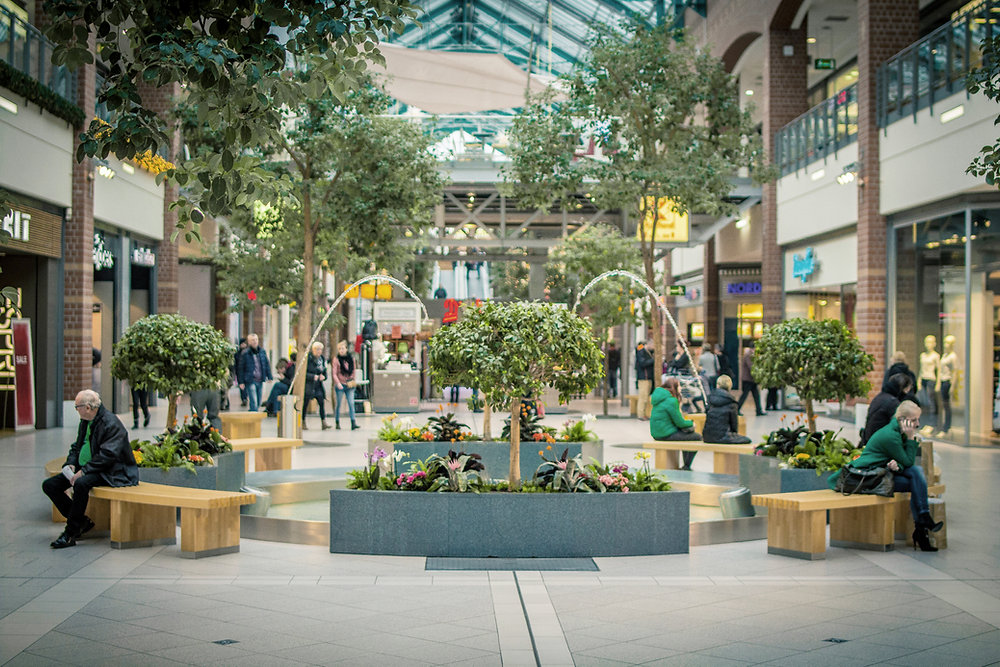
Future of Green Malls
As urban populations grow and environmental concerns intensify, green malls will increasingly serve as models of sustainable retail. Future trends include:
- Integration of smart technologies for energy monitoring and efficiency
- Expansion of renewable energy use and net-zero energy designs
- Interactive environmental education for visitors
- Greater incorporation of local ecosystems and biodiversity in landscaping
These trends position at the forefront of sustainable urban development, demonstrating how retail spaces can evolve to meet the challenges of the 21st century.
Green malls represent a new paradigm in retail, combining environmental responsibility, community engagement, and innovative design. By prioritizing sustainability, these malls reduce ecological impact, lower operational costs, and enhance visitor experience. As cities embrace eco-conscious development, green malls exemplify how commercial spaces can contribute meaningfully to a sustainable urban future.
Leave a Reply
You must be logged in to post a comment.