The Role of Malls in Downtown Revitalization| Urban Retail Insights

The concept of Downtown Revitalization has become central to urban planning in the 21st century. As cities struggle with declining foot traffic, aging infrastructure, and economic stagnation in their central districts, shopping malls are emerging as key instruments in reactivating city centers. Far from being mere retail spaces, malls today function as social, cultural, and economic catalysts that help reshape urban life.
This article examines how malls contribute to Downtown Revitalization, exploring their roles in stimulating local economies, promoting urban engagement, and fostering sustainable development. Through real-world examples and expert insights, we will understand why modern malls are more than shopping destinations—they are pivotal in redefining the identity and vibrancy of city centers.
Understanding Downtown Revitalization
Downtown revitalization refers to the process of restoring and enhancing central urban areas to improve economic activity, social interaction, and livability. In many cities, downtowns faced decades of decline due to suburbanization, the rise of e-commerce, and changing demographic patterns. Revitalization strategies often include:
- Mixed-use developments combining retail, residential, and office spaces
- Enhanced pedestrian zones and public transport integration
- Cultural and recreational amenities to attract diverse audiences
- Sustainability initiatives to ensure long-term urban resilience
Within these strategies, shopping malls have evolved from isolated retail hubs into integral urban instruments, contributing to the larger Downtown Revitalization movement.
Malls as Economic Catalysts
Boosting Local Employment and Entrepreneurship
Malls are major employers and incubators for local businesses. From retail staff to service providers and event organizers, malls create a diverse employment ecosystem. Small and medium-sized enterprises (SMEs) often benefit from the foot traffic generated by malls, gaining exposure and building customer bases that might otherwise be unreachable.
Research shows that cities integrating malls into downtown redevelopment plans see measurable increases in business activity and job creation, strengthening the overall urban economy. The economic vitality generated by malls often has a multiplier effect, supporting adjacent businesses such as cafés, boutique shops, and service providers.
Attracting Investment and Enhancing Property Values
The presence of a mall can significantly increase property values in nearby areas. Developers are more likely to invest in surrounding properties when a high-quality retail space drives consistent foot traffic. Furthermore, malls that integrate mixed-use facilities, including offices and residential units, offer a sustainable model that stabilizes local real estate markets.
For example, studies in urban centers such as Singapore and the United States have demonstrated that malls designed with downtown integration in mind contribute to revitalized commercial corridors, attracting both local and international investment.
Creating Community Hubs
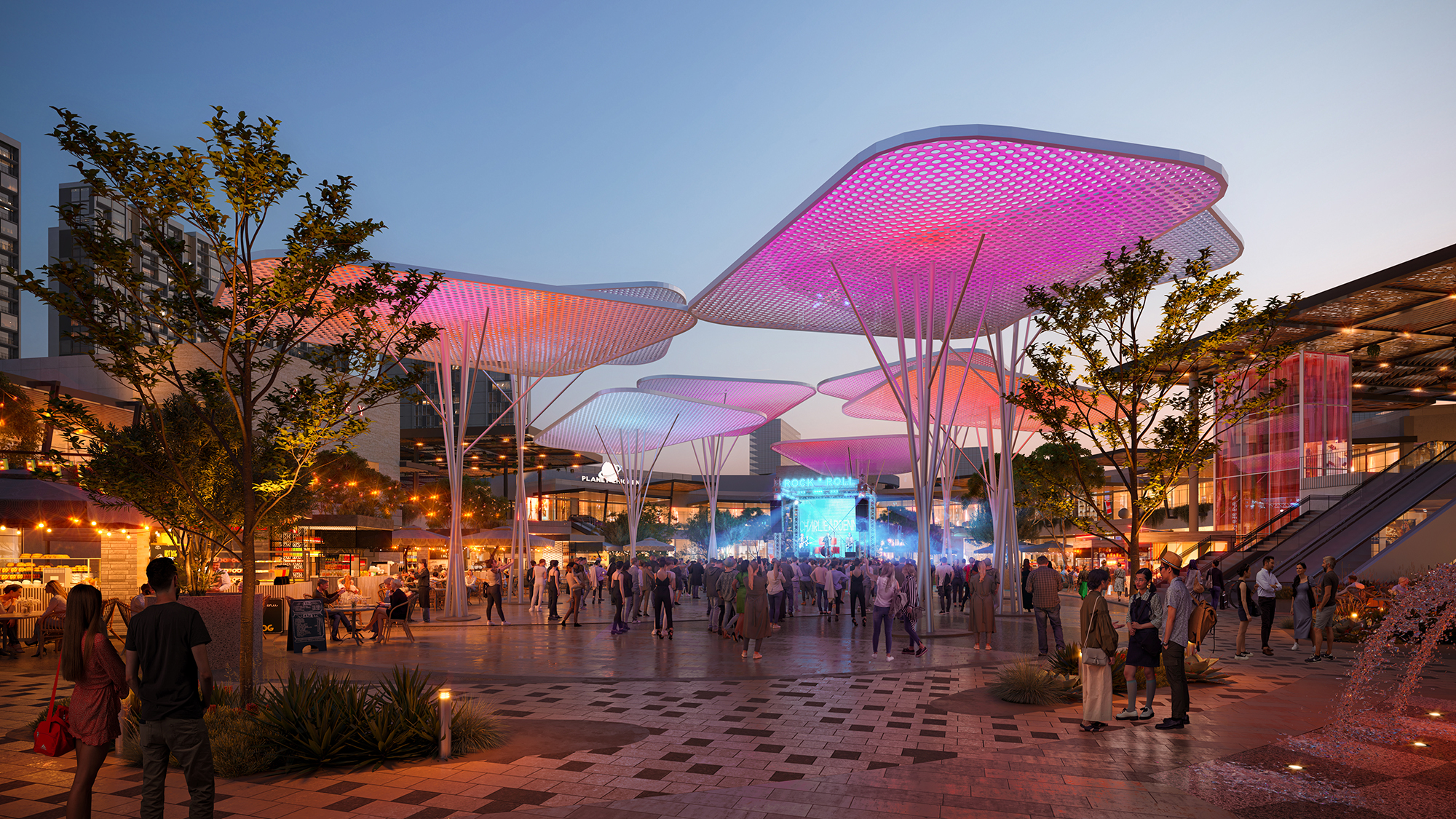
Malls in urban cores do more than sell products—they foster social interaction. By offering event spaces, cultural exhibits, and community programming, malls can serve as central gathering points. This aligns with the growing trend of malls-as-social spaces, where retail is complemented by leisure, arts, and public engagement initiatives.
Promoting Urban Identity and Cultural Engagement
Downtown malls often showcase local culture and heritage through design, exhibitions, and curated retail experiences. By integrating art, pop-up markets, and live performances, malls help create a sense of place that strengthens urban identity. These spaces become not only shopping destinations but also cultural landmarks that attract both residents and visitors.
Design Strategies for Successful Downtown Malls
Integration with Urban Fabric
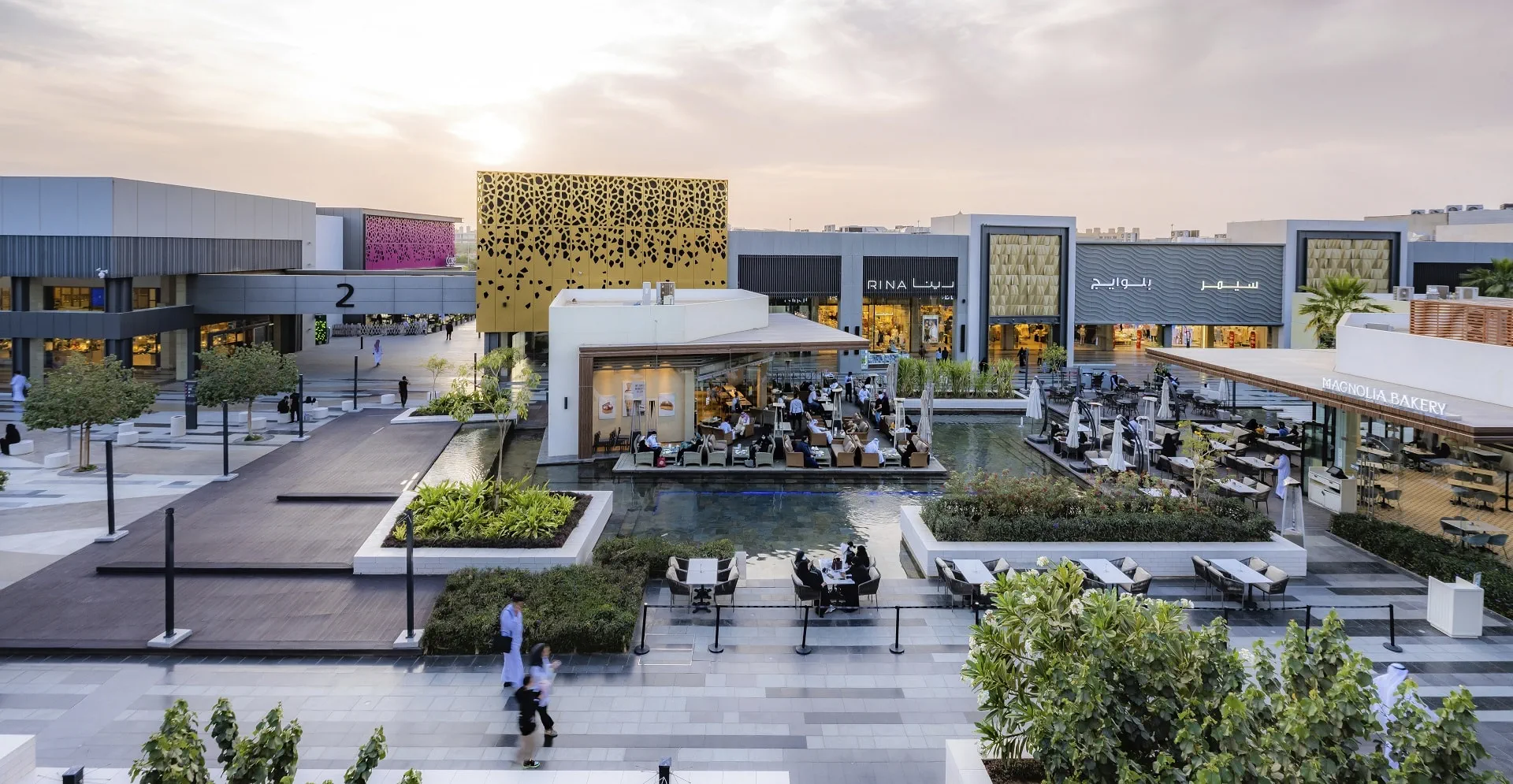
One key to the success of malls in downtown revitalization is their seamless integration with the surrounding cityscape. Pedestrian-friendly design, access to public transportation, and connections to civic spaces ensure that malls are not isolated but actively contribute to urban life.
Biophilic design elements—green roofs, indoor gardens, and natural light—enhance the urban experience, creating healthier, more attractive environments for visitors and workers alike. The biophilic design movement highlights how incorporating natural elements into mall architecture can positively impact both mental health and community engagement.
Flexible Mixed-Use Spaces
Modern downtown malls often adopt mixed-use layouts, incorporating offices, residential units, entertainment venues, and retail under one roof. This creates a continuous flow of activity throughout the day, supporting sustained foot traffic and economic stability.
Flexible spaces also allow malls to adapt to changing urban demands, hosting temporary markets, exhibitions, and community events, which reinforces their role in Downtown Revitalization.
Environmental Sustainability and Revitalization
Incorporating sustainability measures is increasingly critical for downtown malls. Green building certifications, energy-efficient lighting, waste reduction initiatives, and water-saving systems are essential components of modern mall design. These practices not only reduce environmental impact but also attract environmentally conscious consumers and businesses.
The sustainability in shopping malls movement demonstrates how environmentally responsible design and operations contribute to long-term urban health, further supporting the objectives of Downtown Revitalization.
Case Studies of Downtown Revitalization through Malls
Orchard Road, Singapore
Singapore’s Orchard Road exemplifies successful downtown revitalization through mall integration. Malls such as *The Centrepoint* and *ION Orchard* combine retail, leisure, and cultural programming, serving as central urban nodes that stimulate economic and social activity. The careful planning and pedestrian-oriented design have strengthened the district’s reputation as both a commercial and cultural hub.
American Urban Centers
In cities like Los Angeles, Chicago, and New York, downtown malls have been instrumental in rejuvenating neglected urban corridors. Through adaptive reuse projects and integration with public transit, these malls contribute to both local economies and urban livability. More details on iconic malls in the U.S. can be explored in Iconic American Malls.
Reimagining Urban Retail
Global trends show a shift from purely retail-focused malls to multifunctional, experience-driven spaces. The reimagining mall approach demonstrates how downtown malls can accommodate new lifestyles and urban demands, reinforcing their position as catalysts for urban renewal.
Challenges and Considerations
While malls offer immense potential for downtown revitalization, challenges exist. Over-commercialization, displacement of local businesses, and maintaining affordability for residents are key issues. Planners must balance economic growth with social equity to ensure that malls contribute positively to the urban ecosystem.
Furthermore, integrating technology and digital retail experiences requires ongoing investment and thoughtful planning to align with long-term urban strategies.
Future Outlook
The role of malls in Downtown Revitalization will continue to evolve. Emerging trends include:
- Enhanced digital integration, including mobile apps, AI analytics, and virtual shopping experiences
- Community-oriented programming to strengthen local engagement
- Green and sustainable building practices
- Flexible, adaptive spaces to respond to changing urban demographics and lifestyles
As cities increasingly prioritize walkability, mixed-use development, and cultural vibrancy, malls are positioned to play a central role in shaping thriving, sustainable downtowns.
Malls are no longer mere retail destinations; they are dynamic urban instruments that drive Downtown Revitalization. By integrating economic, social, and cultural dimensions, malls contribute to urban vibrancy, support local economies, and help reshape city centers. Thoughtful design, sustainability, and community engagement are essential for maximizing their impact.
As cities continue to adapt to the challenges of modern urban life, downtown malls will remain pivotal in fostering vibrant, resilient, and inclusive urban centers.
Leave a Reply
You must be logged in to post a comment.