Adaptive Reuse: Transforming Old Malls into New Spaces

The retail landscape has shifted dramatically over the past decades, leaving many traditional shopping malls struggling with declining foot traffic, vacant stores, and outdated infrastructure. This challenge has led to a growing trend where aging malls are transformed into vibrant mixed-use, community, or cultural hubs. Rather than demolishing these structures, developers and urban planners repurpose them to meet contemporary urban demands while preserving architectural and cultural value.
This article explores how Adaptive Reuse projects breathe new life into old malls, the benefits of such transformations, strategies for successful implementation, and examples from around the world.
Understanding Adaptive Reuse
Is the process of repurposing existing buildings for new functions, preserving the structure while adapting it to current needs. For malls, this often involves:
- Converting retail space into offices, co-working centers, or educational facilities
- Integrating residential units to create mixed-use developments
- Adding community spaces, entertainment venues, or cultural facilities
- Enhancing environmental sustainability through green retrofitting
This approach offers a sustainable alternative to demolition, reducing construction waste and conserving resources while reinvigorating urban areas.
Why Malls Are Ideal Candidates for Adaptive Reuse
Large, Flexible Spaces
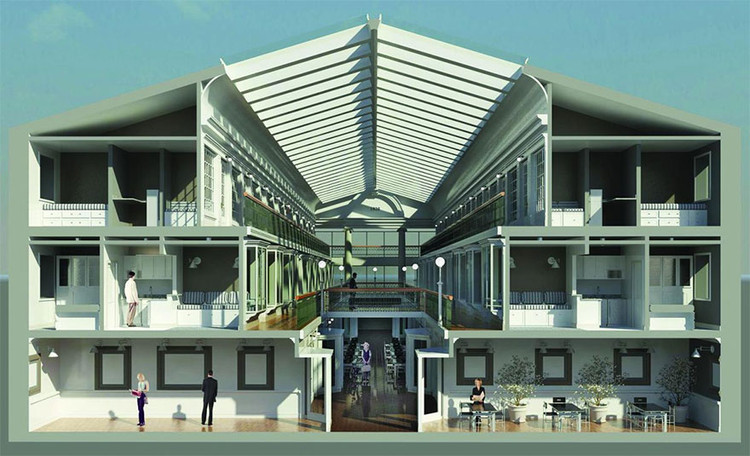
Malls are inherently designed as expansive, open-plan spaces, making them highly adaptable. Anchor stores, food courts, and common areas can be converted into offices, gyms, auditoriums, or art galleries with relatively minor structural adjustments. This flexibility enables a diverse range of uses under one roof.
Strategic Urban Locations
Many malls are located in central or well-connected urban areas. Repurposing these sites through Adaptive Reuse leverages existing transportation networks, proximity to residential neighborhoods, and established commercial infrastructure, maximizing both accessibility and foot traffic.
Community Recognition and Cultural Value
Malls often hold cultural and social significance in their communities. Repurposing them rather than demolishing preserves a familiar landmark while providing modern functionality. This creates continuity, maintaining a sense of identity for local residents.
Types of Adaptive Reuse in Malls
Mixed-Use Developments
Many projects transform malls into mixed-use hubs, integrating:
- Residential apartments or condominiums
- Office spaces and co-working centers
- Retail and dining options for active streetscapes
- Entertainment and fitness amenities
Such mixed-use projects extend the life of malls by maintaining activity throughout the day and fostering sustainable urban density. Developers can take inspiration from the strategies highlighted in reimagining mall projects, emphasizing multifunctionality and urban integration.
Community and Cultural Hubs
Adaptive reuse also prioritizes public engagement. By introducing community centers, libraries, theaters, and cultural spaces, malls become urban hubs that serve broader civic purposes. This approach encourages social cohesion, civic participation, and educational opportunities.
Incorporating cultural programming aligns with trends in culture leveraging existing infrastructure to host exhibitions, festivals, and performances that enrich the urban environment.
Healthcare, Education, and Innovation Spaces
Some projects focus on essential services. Clinics, medical centers, schools, or research facilities can occupy former mall spaces, addressing local needs while maintaining vibrant, populated environments. These transformations strengthen neighborhoods and diversify the utility of previously single-purpose buildings.
Design Strategies for Successful Adaptive Reuse
Structural Flexibility and Modular Layouts
Adapting malls requires careful planning to maximize usable space. Modular designs allow future reconfigurations, ensuring the building remains functional over time. Open floor plans, movable partitions, and multipurpose zones enhance flexibility.
Integration with Public Spaces
Adaptive reuse works best when malls are integrated into the urban fabric. Walkable streets, plazas, and green spaces create a seamless connection between indoor and outdoor environments. Incorporating biophilic elements such as indoor gardens, daylighting, and natural ventilation improves both aesthetics and user well-being (biophilic design).
Sustainability and Energy Efficiency
Retrofitting existing malls for energy efficiency is a central principle. Measures include:
- Solar panels and renewable energy systems
- Efficient HVAC and lighting upgrades
- Water recycling and rainwater harvesting
- Waste reduction and material reuse
Sustainable adaptive reuse projects not only reduce environmental impact but also attract tenants and visitors increasingly aware of ecological concerns.
Case Studies of Adaptive Reuse
Southdale Center, Minnesota, USA
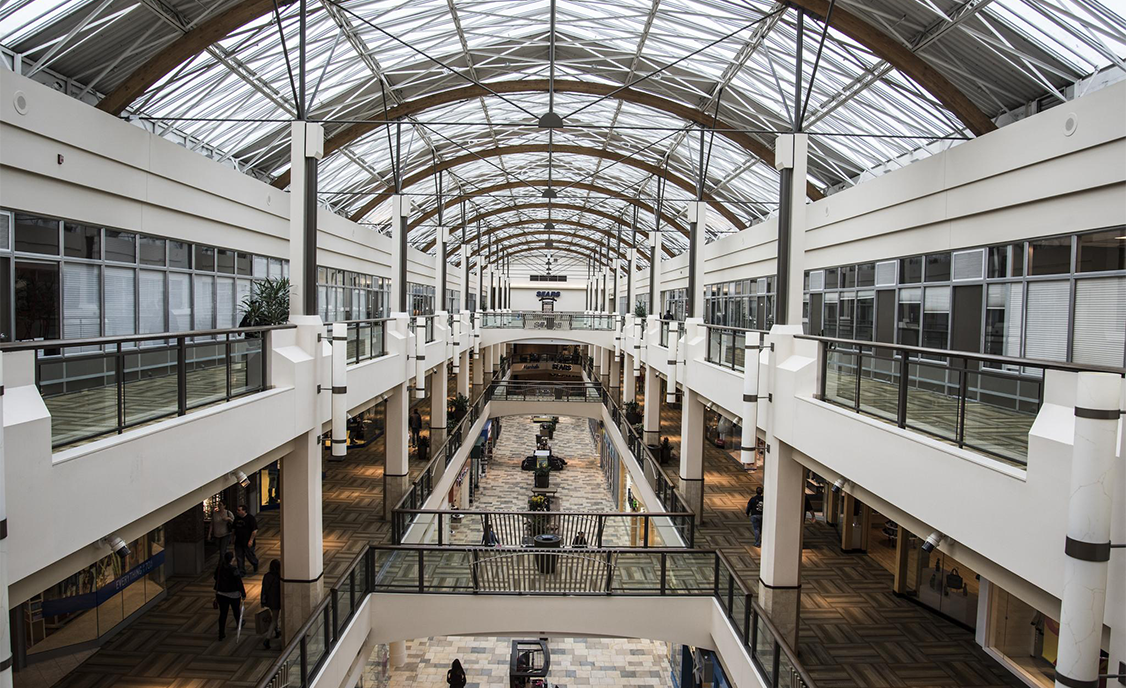
One of the earliest examples of mall transformation, Southdale Center incorporated mixed-use elements such as office spaces and community services, demonstrating how aging retail complexes can adapt to evolving urban needs.
Waterway Point, Singapore
Although a modern mall, Waterway Point demonstrates adaptive strategies in integrating community and leisure functions alongside retail, making it a hub for neighborhood engagement (malls & community impact).
Adaptive Reuse in Asia-Pacific
Many Asian cities repurpose older malls into multifunctional complexes that combine education, entertainment, and residential spaces. By maintaining the mall’s structural identity while adding new uses, these projects preserve heritage and modernize function, ensuring long-term viability.
Benefits of Adaptive Reuse
- Economic Revitalization: Attracts tenants, residents, and visitors, boosting local economies.
- Environmental Sustainability: Reduces demolition waste and conserves construction materials.
- Community Engagement: Provides public and cultural spaces that strengthen social ties.
- Urban Continuity: Preserves architectural and historical value within the cityscape.
Turns potential urban decay into opportunities for innovation, creativity, and sustainable growth.
Challenges and Considerations
Adaptive reuse projects face challenges including high renovation costs, zoning restrictions, and maintaining structural integrity. Developers must balance financial viability with social responsibility, ensuring that transformations serve both economic and community objectives.
Public-private partnerships, government incentives, and community involvement are often essential to ensure project success and long-term sustainability.
Future Trends in Mall Adaptive Reuse
Looking ahead will continue to evolve with urban development trends:
- Smart technologies for building management and visitor experience
- Increased integration of green spaces and environmental design
- Flexible modular layouts to accommodate shifting urban demands
- Greater focus on community-driven spaces and cultural programming
By embracing adaptive reuse, cities can transform declining retail environments into multifunctional, socially vibrant hubs that meet contemporary urban needs.
Adaptive Reuse offers a sustainable, innovative solution for transforming old malls into dynamic urban spaces. By integrating mixed-use development, community engagement, and sustainable design, these projects revitalize neighborhoods, stimulate economies, and strengthen social cohesion. As cities face changing retail landscapes and urban challenges, adaptive reuse ensures that malls remain relevant, functional, and culturally significant.
Leave a Reply
You must be logged in to post a comment.