Hidden Gems: Community-Driven Malls You Haven’t Heard Of

While iconic shopping malls often dominate the headlines, a rich network of community-driven malls exists quietly across regions, playing essential roles in local life and culture. These hidden gems cater to neighborhood needs, support small businesses, and create social and cultural spaces that strengthen urban identity. Unlike larger commercial complexes, these malls are deeply intertwined with the communities they serve, offering personalized experiences, local flavor, and a sense of belonging.
This article explores why these under-the-radar malls matter, how they sustain communities, and why they deserve recognition as vital contributors to urban life.
Defining Community-Driven Malls
Community-driven malls are retail spaces that prioritize local engagement over purely commercial objectives. Characteristics include:
- Supporting small businesses, artisans, and local entrepreneurs
- Hosting community events, workshops, and cultural programming
- Designing spaces that reflect local identity and heritage
- Fostering social interaction and neighborhood cohesion
These malls serve as more than shopping destinations— hidden Gems: Community-Driven Malls You Haven’t Heard Ofthey are social and cultural hubs that respond to community needs and aspirations.
Strengthening Local Identity
Community-driven malls often reflect the unique character of their neighborhoods. Murals, architecture, and curated retail selections celebrate regional heritage, creating spaces where residents feel seen and represented. These malls often integrate local arts and culture programs, similar to broader initiatives seen in culture, art & events in shopping malls, allowing visitors to experience the vibrancy of the community firsthand.
Supporting Small Businesses
Unlike mega malls that primarily house large chains, hidden gem malls provide opportunities for local entrepreneurs. Small cafes, boutique stores, craft shops, and independent retailers thrive in these environments, contributing to local economies and encouraging repeat patronage from residents who value personalized service and authenticity.
These malls often include spaces for community interaction—meeting rooms, performance areas, and open plazas. By facilitating social gatherings, workshops, and cultural events, community-driven malls reinforce relationships among residents and strengthen the social fabric.
Design and Spatial Strategies
Flexible, Multi-Use Spaces
Hidden gems malls often incorporate flexible layouts to host various activities. Pop-up markets, art exhibits, and local festivals can be accommodated without extensive remodeling. This adaptability keeps the mall relevant to community needs over time, much like adaptive strategies in larger mall transformations (adaptive reuse).
Local Art and Cultural Integration
Murals, sculptures, and interactive art installations are common in these malls. They offer both aesthetic value and educational opportunities, creating spaces that invite exploration and reflection. Incorporating local artistic talent strengthens the mall’s identity and encourages community pride.
Sustainability and Environmental Awareness
Many community-driven malls emphasize sustainable practices, from green roofs to energy-efficient lighting. By integrating biophilic design and environmentally conscious features, these malls demonstrate a commitment to social responsibility and urban well-being
Regional Favorites Across Asia-Pacific
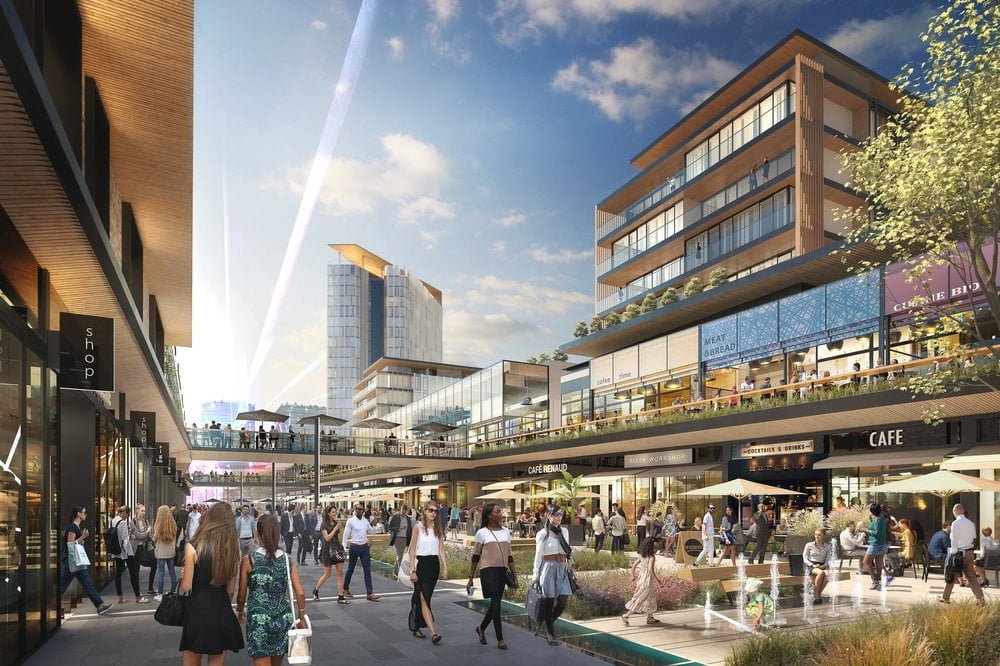
Smaller malls in suburban or regional areas often feature curated retail selections, local cuisine, and culturally themed events. While they may not appear in international rankings, these malls are vital for neighborhood economies and serve as meeting points for residents, students, and families.
American Community Malls
Across the U.S., many suburban malls have reinvented themselves as community-oriented spaces. Pop-up markets, local farmer’s events, and cultural performances attract audiences seeking connection and authenticity rather than only shopping convenience. These spaces exemplify how hidden gems can coexist alongside larger commercial complexes (iconic American malls).
Singapore’s Neighborhood Malls
Singapore’s smaller-scale malls play essential roles in daily life, providing accessible retail, dining, and recreational spaces. By hosting cultural festivals, arts events, and community programs, these malls function as hubs of local engagement and urban vitality, much like strategies.
Benefits of Community-Driven Malls
- Economic Resilience: Supporting small businesses strengthens local economies and keeps wealth circulating within the community.
- Cultural Preservation: Murals, events, and programming help preserve and celebrate local heritage.
- Social Connectivity: Malls act as safe, accessible spaces for interaction and civic engagement.
- Urban Identity: By reflecting neighborhood character, these malls reinforce a sense of place and belonging.
Challenges and Opportunities
Despite their benefits, hidden gem malls face unique challenges:
- Competition from large retail chains and e-commerce
- Maintaining relevance in rapidly changing urban environments
- Limited resources for marketing and community programming
- Balancing commercial viability with community focus
Opportunities include leveraging social media, local partnerships, and cultural events to attract attention and sustain engagement. Strategic planning, community input, and innovative design are key to long-term success.
Future of Community-Driven Malls
As cities continue to evolve, community-driven malls are expected to play increasingly significant roles in urban life. Key trends include:
- Integration of co-working spaces and mixed-use development
- Expansion of cultural programming and public art initiatives
- Enhanced digital engagement and social media integration
- Greater emphasis on sustainable, human-centered design
By focusing on local needs, identity, and social value, hidden gem malls will continue to complement larger commercial centers while fostering resilient, culturally rich neighborhoods.
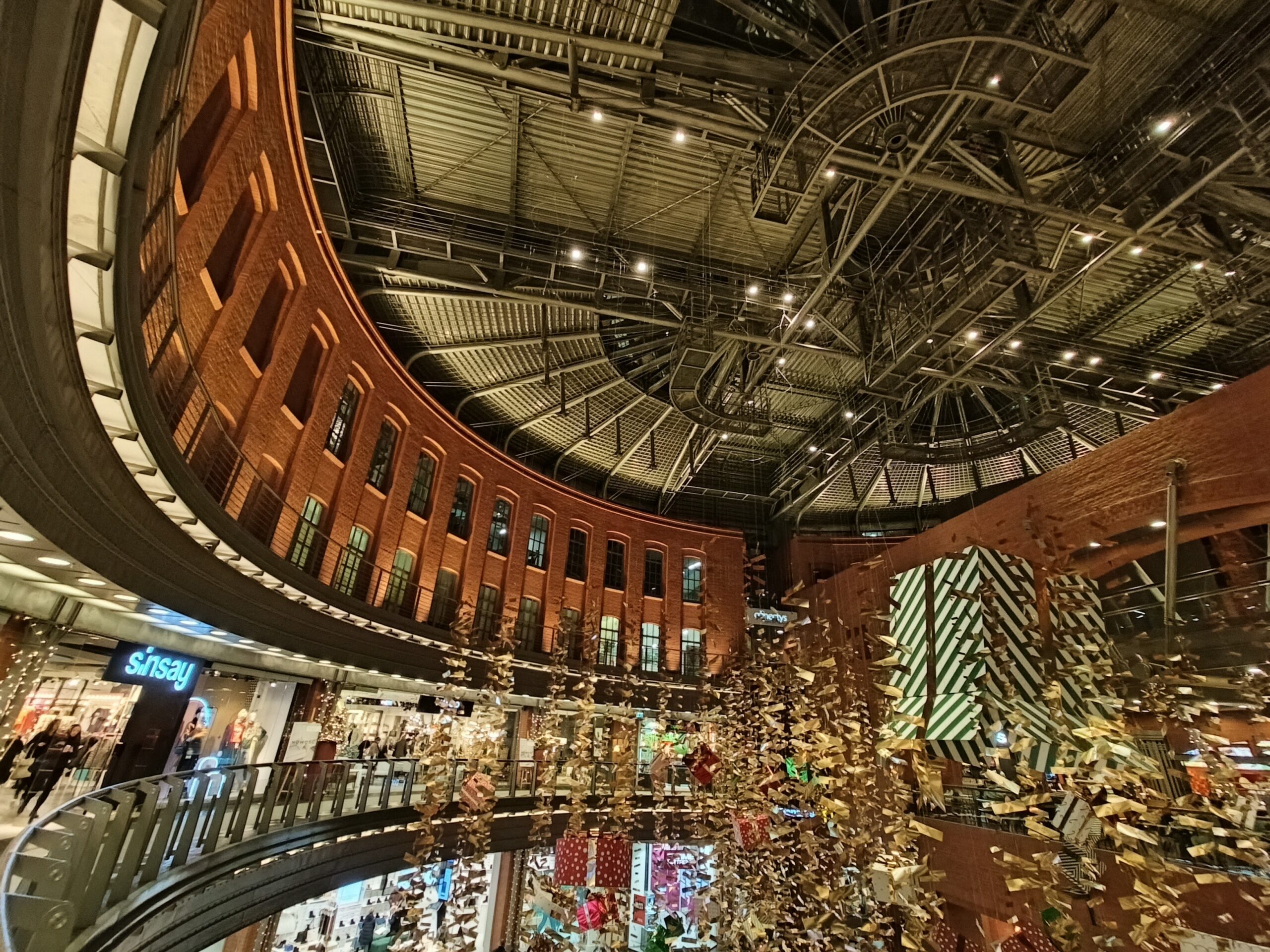
Hidden gem, community-driven malls are more than retail spaces—they are lifelines for neighborhoods, nurturing local businesses, culture, and social connection. By emphasizing community engagement, flexible design, and cultural identity, these malls transform urban environments and enrich the daily lives of residents. Recognizing their value helps planners, developers, and policymakers prioritize spaces that celebrate local heritage and foster resilient, vibrant communities.
Leave a Reply
You must be logged in to post a comment.