Murals in Shopping Malls: Art, Engagement, and Urban Experience

Murals in shopping malls have evolved beyond decorative elements to become powerful tools for community engagement, cultural expression, and enhancing the overall visitor experience. By integrating art into retail environments, malls create visually compelling spaces that attract foot traffic, encourage longer visits, and foster emotional connections between patrons and the urban environment.
This article explores the significance of murals in shopping malls, their impact on urban culture, strategies for implementation, and examples from around the world.
The Role of Murals in Urban Retail Spaces
Serve multiple purposes in malls, including:
- Creating visually engaging environments that enhance the shopping experience
- Reflecting local culture, history, and community identity
- Encouraging social interaction and public engagement
- Supporting marketing, branding, and thematic design of retail spaces
By turning walls and open areas into canvases, malls leverage murals to elevate the aesthetic quality of their spaces, making them destinations for both shopping and cultural exploration.
Enhancing Visitor Experience
Visual Storytelling
Mural art provides opportunities for visual storytelling within malls. Artists can depict historical events, celebrate local culture, or explore imaginative themes that resonate with the community. Visitors experience these stories interactively as they navigate the mall, creating memorable moments beyond conventional retail transactions.
Wayfinding and Spatial Identity
Can also assist in wayfinding, subtly guiding visitors through large spaces while enhancing the identity of different areas within the mall. Distinctive artwork can mark entrances, seating areas, food courts, or entertainment zones, helping visitors orient themselves while enjoying an immersive environment.
For more insights on integrating creative experiences into retail environments, see culture, art & events in shopping malls.
Community Engagement Through Murals
Collaborative Projects
Many malls involve local artists, schools, and community groups in mural creation. Collaborative projects foster civic pride and give communities a sense of ownership over shared spaces. This approach strengthens social cohesion and encourages repeat visits, as patrons feel connected to the art and the place itself.
Promoting Local Culture and Heritage
Mural projects provide an ideal platform to showcase regional heritage, stories, and cultural icons. By reflecting the local environment and identity, malls become more than commercial spaces—they serve as cultural touchpoints within urban landscapes.
Design Considerations for Murals in Malls
Location and Visibility
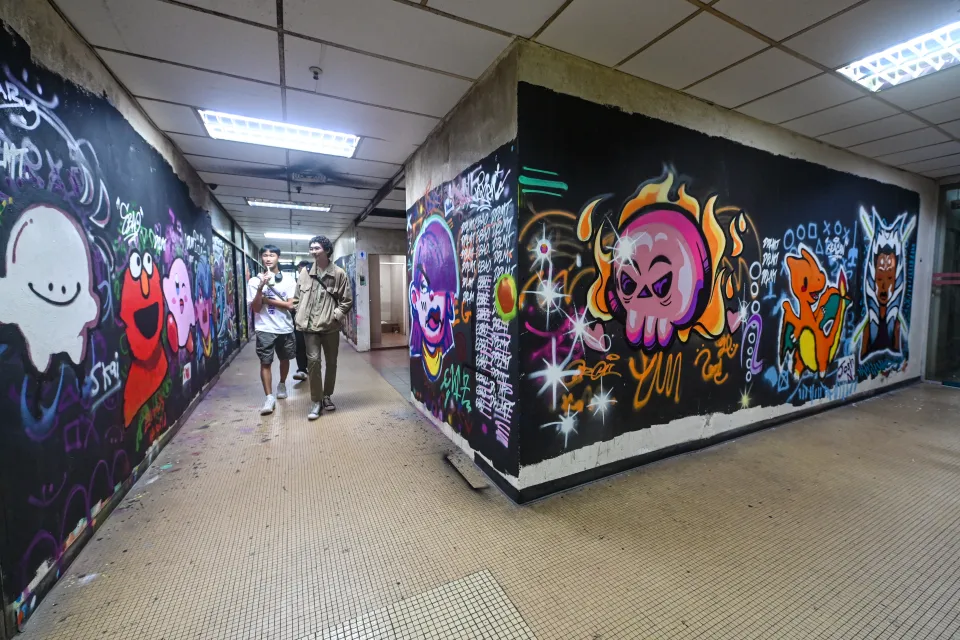
Placement is critical to have maximum impact. High-traffic areas such as entrances, atriums, food courts, and corridors ensure visibility and engagement. Vertical walls, ceilings, and even floor can create immersive experiences that capture attention and encourage interaction.
Integration with Architectural Design
Mural design should complement the mall's architecture and branding. Harmonizing colors, themes, and materials with existing structural elements creates cohesive environments where art feels naturally integrated rather than an afterthought.
Durability and Maintenance
Retail environments are high-traffic areas, so murals must be made with durable materials that can withstand wear and tear. Protective coatings, regular maintenance, and digital reproductions can extend the lifespan of the artwork, ensuring it remains vibrant and impactful.
Incorporating sustainability and natural elements into mural design aligns with broader urban design trends, similar to principles of biophilic design.
Examples of Murals in Shopping Malls
Singapore: Community-Focused Murals
In Singapore, many malls integrate murals that celebrate local heritage and engage community groups. For instance,neighborhood malls depict traditional stories, iconic landmarks, and seasonal festivals, enhancing cultural visibility while fostering a welcoming environment for all visitors.
American Malls: Iconic Artistic Spaces
U.S. malls have increasingly adopted as central design features. From large-scale pop culture murals to historical and abstract works, these installations transform retail spaces into visually dynamic environments that attract both shoppers and tourists. For examples of creative mall spaces in the U.S., see iconic American malls.
Adaptive Reuse and Artistic Integration
When malls undergo adaptive reuse, murals often play a key role in rebranding spaces for mixed-use or cultural purposes. Art becomes a tool to signal transformation, create thematic identity, and integrate the mall into the broader urban cultural landscape.
Impact on Business and Urban Identity
Mural installations in malls have measurable benefits for both retailers and cities:
- Increased Foot Traffic: Murals attract visitors seeking cultural and aesthetic experiences.
- Enhanced Brand Perception: Artistic environments improve customer satisfaction and dwell time.
- Urban Activation: contribute to a vibrant cityscape, turning malls into urban cultural hubs.
- Community Pride: Locally inspired strengthen social cohesion and sense of place.
These benefits demonstrate how integrating art into malls aligns with broader goals of urban revitalization and community engagement.
Challenges and Best Practices
While murals offer numerous advantages, malls must navigate challenges including:
- Ensuring artworks remain culturally sensitive and inclusive
- Balancing aesthetics with commercial priorities
- Maintaining high-quality materials in high-traffic areas
- Engaging professional artists and community stakeholders effectively
Successful mural programs prioritize collaboration, inclusivity, and design integration to create lasting impact.
Future Trends
The future of murals in shopping malls includes:
- Interactive and digital using projection mapping and augmented reality
- Community-led design initiatives that reflect evolving cultural narratives
- Integration with environmental themes and sustainability messages
- Murals as part of experiential retail strategies to compete with e-commerce
As malls continue to redefine themselves as social, cultural, and community hubs, will remain a vital tool for engagement and urban identity.
Murals in shopping malls transform commercial spaces into vibrant, culturally rich environments that support community engagement, enhance visitor experience, and strengthen urban identity. From large-scale installations to locally inspired projects, murals foster connections between patrons, art, and the city, ensuring that malls evolve beyond transactional spaces into urban cultural destinations.
Leave a Reply
You must be logged in to post a comment.