Tech-Driven Experiences in Malls: AR, AI and Personalization Transforming Retail

Tech-Driven Experiences are redefining the future of physical retail. As consumer expectations evolve in a digitally connected world, shopping centers are integrating augmented reality (AR), artificial intelligence (AI), and advanced personalization strategies to remain competitive, relevant, and experiential.
Today’s malls are no longer static commercial corridors. They are becoming intelligent ecosystems where digital layers enhance physical spaces, creating immersive journeys that online platforms alone cannot replicate. From AI-powered recommendations to AR navigation and predictive analytics, technology is bridging convenience with engagement.
This transformation aligns with the broader industry shift toward experiential environments explored in Reimagining the Mall and the social integration trends discussed in Malls as Social Spaces. However, technology adds a powerful new dimension: measurable personalization at scale.
- The Rise of Tech-Driven Experiences in Physical Retail
- Augmented Reality: Blending Digital and Physical Worlds
- Artificial Intelligence: The Intelligence Behind Modern Malls
- Personalization: Creating Unique Visitor Journeys
- Economic and Strategic Benefits
- Balancing Innovation with Trust and Privacy
- Integration with Adaptive Reuse and Modernization
- The Future of Tech-Driven Experiences
- Frequently Asked Questions
- Conclusion
The Rise of Tech-Driven Experiences in Physical Retail
The acceleration of e-commerce forced brick-and-mortar retail to evolve. Consumers expect speed, relevance, and seamless digital integration. Instead of competing directly with online convenience, modern malls are embedding digital intelligence into the physical journey.
Tech-Driven Experiences combine three core pillars:
- Augmented Reality (AR) for immersive engagement
- Artificial Intelligence (AI) for data-driven optimization
- Personalization engines for customized visitor journeys
Together, these tools transform shopping centers into adaptive environments that respond to behavior, preferences, and real-time demand.
Augmented Reality: Blending Digital and Physical Worlds
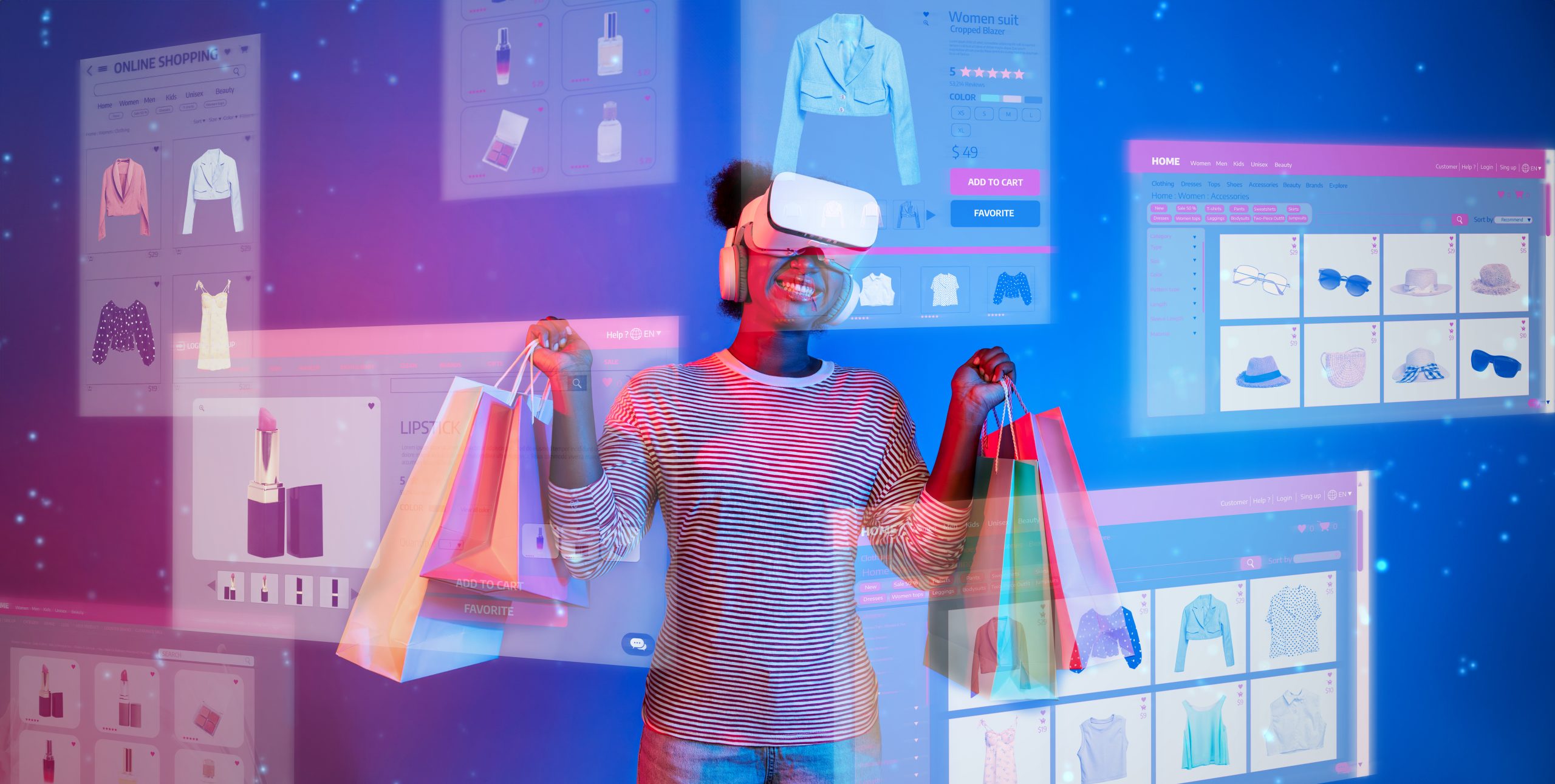
Large shopping centers can overwhelm visitors. AR-powered navigation apps allow users to scan directories with their smartphones and receive real-time visual guidance through overlays. This reduces friction and enhances the visitor experience.
Virtual Try-Ons and Product Visualization
Retail tenants increasingly integrate AR mirrors and mobile applications that allow customers to virtually try clothing, accessories, or cosmetics. This reduces return rates while increasing engagement.
Gamified Experiences
Seasonal AR treasure hunts or interactive installations encourage exploration across multiple zones of a mall. These initiatives increase dwell time and promote cross-store traffic.
Incorporating AR also complements artistic and experiential strategies discussed in Murals in Shopping Malls, where digital overlays can add interactive storytelling layers to physical artwork.
Artificial Intelligence: The Intelligence Behind Modern Malls
Predictive Analytics for Foot Traffic
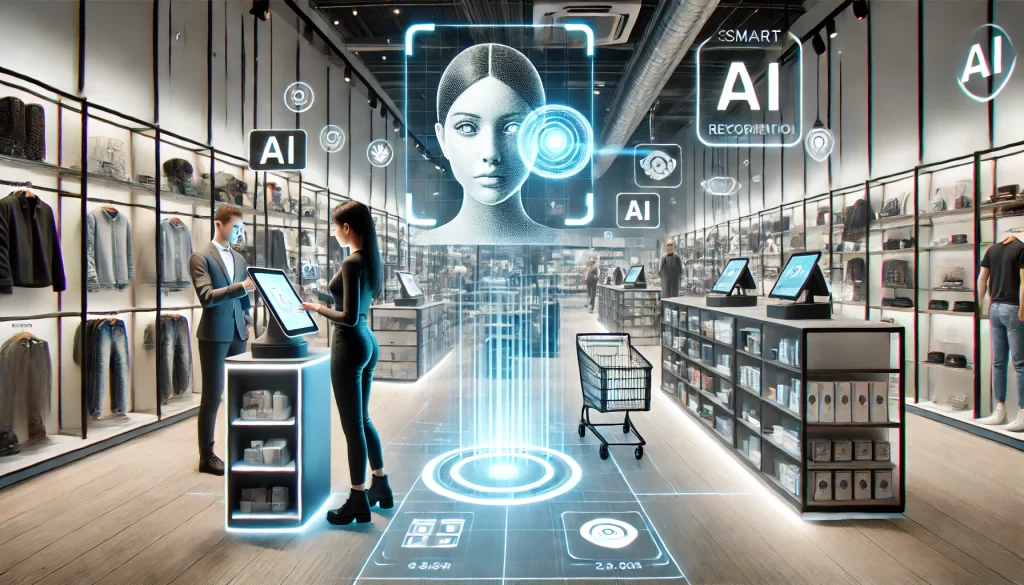
AI-driven systems analyze visitor flow, peak hours, and behavioral patterns. This data supports smarter leasing strategies, optimized staffing, and targeted promotional campaigns.
Smart Parking and Facility Management
AI enhances operational efficiency through automated parking guidance, energy optimization, and predictive maintenance—reducing costs while improving convenience.
Chatbots and Virtual Assistants
AI-powered assistants integrated into mall apps provide instant answers regarding store locations, promotions, and event schedules. This enhances accessibility while reducing service desk congestion.
Operational intelligence also aligns with sustainability goals discussed in Green Malls Pioneering Sustainable Retail, as AI-driven systems help reduce energy waste and optimize building performance.
Personalization: Creating Unique Visitor Journeys
Personalization is the defining feature of effective Tech-Driven Experiences. Consumers increasingly expect brands to understand their preferences without compromising privacy.
Data-Driven Recommendations
Through loyalty programs and app-based tracking (with consent), malls can deliver customized offers based on past visits and purchasing behavior.
Dynamic Digital Signage
Smart displays adjust content in real time according to audience demographics, time of day, or local events.
Location-Based Notifications
Geo-targeted messaging alerts visitors about nearby promotions as they move through the mall. When used responsibly, this increases conversion without overwhelming users.
Economic and Strategic Benefits
The integration of Tech-Driven Experiences generates measurable advantages:
- Higher visitor engagement and dwell time
- Improved tenant performance analytics
- Enhanced marketing ROI through targeted campaigns
- Greater operational efficiency
- Stronger competitive differentiation
Additionally, these digital strategies complement broader urban integration initiatives discussed in Downtown Revitalization and Malls, positioning retail centers as technologically advanced civic hubs.
Balancing Innovation with Trust and Privacy
While personalization enhances experience, responsible data governance is essential. Transparency, opt-in consent, and cybersecurity safeguards protect consumer trust.
Industry best practices emphasize anonymized analytics, encrypted data storage, and clear communication regarding how information is used. Building trust ensures long-term adoption of digital solutions.
Integration with Adaptive Reuse and Modernization
Technology also plays a crucial role in repositioning aging properties. As highlighted in Adaptive Reuse Transforming Retail Spaces, digital infrastructure upgrades can revitalize underperforming malls, attracting younger, tech-savvy demographics.
Smart lighting, interactive installations, and AI-powered management systems modernize legacy assets without requiring complete reconstruction.
The Future of Tech-Driven Experiences
Looking ahead, innovation will likely expand into:
- Immersive mixed-reality entertainment zones
- AI-curated community events
- Blockchain-based loyalty ecosystems
- Hyper-personalized retail journeys powered by machine learning
As physical and digital boundaries blur, malls that strategically invest in intelligent systems will strengthen long-term resilience.
For deeper insights into how digital transformation shapes retail environments globally, industry research from McKinsey & Company Retail Insights provides valuable analysis on emerging technology adoption and consumer behavior trends.
Frequently Asked Questions
What are Tech-Driven Experiences in malls?
They are technology-enhanced retail strategies using AR, AI, and personalization tools.
How does AR improve shopping experiences?
AR offers interactive navigation, virtual try-ons, and gamified exploration.
Is AI mainly used for marketing?
No, AI supports operations, analytics, energy management, and customer service.
Do personalized offers increase sales?
Yes, targeted recommendations typically improve engagement and conversions.
Are Tech-Driven Experiences secure?
When implemented responsibly, they follow privacy regulations and data protection standards.
Conclusion
Tech-Driven Experiences are reshaping the identity of modern malls. By integrating AR, AI, and personalization into physical retail ecosystems, shopping centers evolve into adaptive, intelligent destinations that blend efficiency with emotional engagement.
As consumer expectations continue to shift toward immersive and customized environments, malls that prioritize digital innovation—while maintaining transparency and trust—will lead the next era of experiential retail. The convergence of technology and placemaking is not simply a trend; it is the foundation of sustainable, future-ready commercial development.
Leave a Reply
You must be logged in to post a comment.