Collaborating with Artists: Malls as Exhibition Spaces for Cultural and Commercial Impact

Collaborating with Artists: Malls as Exhibition Spaces is no longer a niche experiment—it is a strategic evolution in how retail environments engage communities, differentiate their brand, and create immersive visitor experiences. As consumer expectations shift toward experiential destinations rather than transactional spaces, shopping centers worldwide are reimagining themselves as dynamic Exhibition Spaces that merge culture, creativity, and commerce.
Across the globe, forward-thinking property managers and developers are integrating art installations, curated exhibitions, and live creative programming into their commercial ecosystems. This transformation aligns with broader retail trends emphasizing placemaking, sustainability, and community engagement—topics we have explored in Malls as Social Spaces and Reimagining the Mall. By collaborating with artists, malls are cultivating cultural relevance while strengthening economic performance.
This article provides an in-depth analysis of why and how malls are evolving into curated exhibition destinations, supported by urban development research and best practices in experiential retail.
- The Evolution of Exhibition Spaces in Retail Environments
- Why Collaborating with Artists Strengthens Mall Identity
- Strategic Models for Exhibition Spaces in Malls
- Economic Impact of Artistic Integration
- Design Principles for Effective Exhibition Spaces
- Case Study Patterns: Global Inspiration
- Best Practices for Collaborating with Artists
- Future Outlook: The Cultural Retail Ecosystem
- Frequently Asked Questions
The Evolution of Exhibition Spaces in Retail Environments
Historically, shopping centers functioned primarily as consumption hubs. However, as e-commerce accelerated and digital convenience reshaped purchasing habits, physical retail environments faced a fundamental challenge: offer something the online world cannot replicate.
The answer lies in experience. Transforming malls into curated Exhibition Spaces allows them to become cultural anchors rather than mere commercial corridors. Art installations, pop-up galleries, digital projections, and interactive sculptures convert transitional spaces into meaningful destinations.
According to research from the National Endowment for the Arts, communities with visible arts integration experience increased civic engagement and economic vitality. When shopping centers incorporate artistic programming, they benefit from extended dwell time, repeat visits, and stronger emotional connections with visitors.
Why Collaborating with Artists Strengthens Mall Identity
1. Cultural Differentiation in Competitive Markets
Retail environments today compete not only with other malls but also with entertainment districts, lifestyle centers, and online platforms. By collaborating with artists, a mall cultivates a unique narrative—one rooted in place, creativity, and authenticity.
For example, public murals, immersive installations, and seasonal exhibitions help distinguish one property from another. As explored in Murals in Shopping Malls, visual storytelling through art fosters strong visual identity and Instagram-worthy moments that amplify organic marketing reach.
2. Strengthening Community Connection
Local artists reflect local stories. Exhibition spaces malls provide exhibition opportunities to regional creators, they position themselves as supporters of community talent rather than purely commercial landlords.
This approach aligns with the broader concept of placemaking discussed in Downtown Revitalization and Malls, where commercial spaces actively contribute to civic life and urban renewal.
3. Enhancing Visitor Experience
Art stimulates curiosity and emotional engagement. Visitors are more likely to explore multiple zones within a mall if they encounter dynamic displays, rotating exhibitions, or live creative performances. This extended exploration increases cross-tenant exposure and retail discovery.
Strategic Models for Exhibition Spaces in Malls
Successful artistic collaborations require structured planning. Below are proven frameworks adopted by innovative retail destinations:
Curated Rotational Galleries
Dedicated gallery corridors or vacant retail units can host quarterly exhibitions. This approach ensures continuous renewal and encourages repeat visitation.
Site-Specific Installations
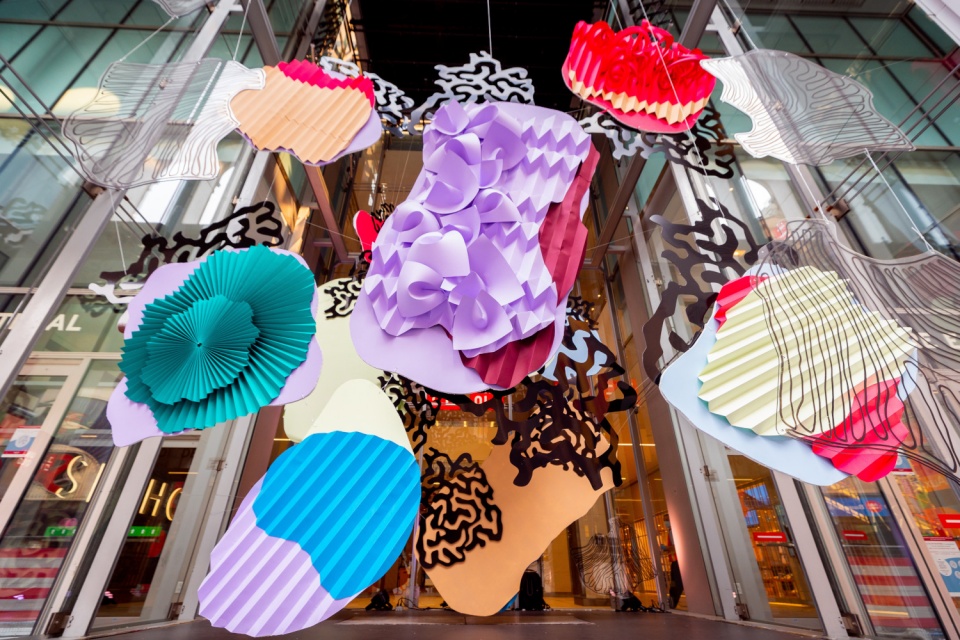
Large-scale installations designed specifically for atriums or open plazas generate iconic focal points. These often become symbolic landmarks within the property.
Interactive Digital Exhibits
Technology-driven exhibitions—augmented reality, projection mapping, or immersive soundscapes—merge art with innovation, appealing to younger demographics.
Community Art Programs
Workshops, student showcases, and collaborative murals cultivate grassroots participation, reinforcing long-term loyalty.
Economic Impact of Artistic Integration
Transforming malls into Exhibition Spaces is not purely aesthetic—it is strategic. Retail analytics consistently show that experiential environments increase dwell time. The longer visitors remain, the higher the probability of multi-store purchases.
Additional measurable benefits include:
- Increased foot traffic during exhibition launches and events
- Higher social media engagement and user-generated content
- Improved tenant satisfaction and retention
- Enhanced brand partnerships and sponsorship opportunities
When art programming aligns with seasonal retail campaigns, it also drives thematic merchandising opportunities.
Design Principles for Effective Exhibition Spaces
Biophilic and Sustainable Integration
Integrating artistic displays with sustainable design enhances impact. Incorporating natural light, living walls, and eco-conscious materials complements themes discussed in Biophilic Design in Shopping Centers. The synergy between art and nature creates calming, immersive environments that improve visitor well-being.
Spatial Flow and Accessibility
Exhibitions should complement circulation paths rather than obstruct them. Strategic placement near anchor tenants, dining zones, or central atriums maximizes exposure without compromising operational flow.
Safety and Maintenance
Durability, insurance considerations, and clear installation protocols are essential for long-term programming success.
Case Study Patterns: Global Inspiration
Across North America, Europe, and Asia, major retail destinations are embracing artistic collaboration as part of broader repositioning strategies. In many cases, underutilized spaces—former department stores or vacant corridors—are being reactivated as cultural venues, reflecting trends examined in Adaptive Reuse Transforming Retail Spaces.
This model demonstrates how art can serve as both a temporary activation tool and a long-term identity anchor.
Best Practices for Collaborating with Artists
- Establish Clear Curatorial Vision: Define themes aligned with brand values.
- Prioritize Local Talent: Build community goodwill and authenticity.
- Develop Transparent Contracts: Clarify compensation, insurance, and installation timelines.
- Promote Strategically: Leverage digital marketing, influencer previews, and press outreach.
- Measure Performance: Track visitor engagement metrics and retail impact.
Future Outlook: The Cultural Retail Ecosystem
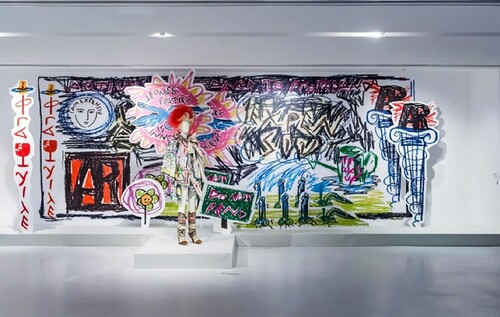
The convergence of commerce and creativity is accelerating. As malls continue evolving into multifunctional lifestyle centers, collaboration with artists will likely become a standard component of asset repositioning strategies.
Forward-looking developers understand that art does more than decorate—it narrates, inspires, and transforms. By investing in curated programming, malls secure relevance in an era defined by experience, authenticity, and community connection.
Frequently Asked Questions
Why are malls becoming exhibition spaces?
To enhance visitor experience, increase foot traffic, and differentiate from online retail.
Do art exhibitions increase mall revenue?
Yes, by extending dwell time and encouraging cross-store exploration.
What types of artists collaborate with malls?
Local muralists, digital artists, sculptors, and multidisciplinary creatives.
Are exhibition spaces permanent or temporary?
They can be rotational, seasonal, or permanent installations.
How do malls choose art themes?
Themes typically align with brand identity, community culture, or seasonal campaigns.
Collaborating with Artists: Malls as Exhibition Spaces represents a transformative shift in retail philosophy. By integrating curated art experiences into commercial environments, shopping centers enhance cultural value while strengthening financial performance.
As the retail landscape continues evolving, malls that embrace creativity, authenticity, and community partnership will stand out as leaders in experiential development. Exhibition-driven placemaking is not simply a trend—it is a strategic pathway toward sustainable relevance in the modern urban ecosystem.
Leave a Reply
You must be logged in to post a comment.