Mall Pop Culture: From Movies to Music Festivals and Cultural Influence

Pop culture and shopping malls have been intertwined for decades. From iconic film scenes set in suburban retail corridors to live music festivals hosted in expansive parking lots, malls have long functioned as cultural stages. What began as commercial infrastructure evolved into symbolic backdrops for generational identity, youth trends, fashion movements, and entertainment milestones.
Today, as retail continues to transform, malls are reclaiming and redefining their role within pop culture. They are no longer just cinematic settings or teenage hangouts; they are curated venues for immersive experiences, influencer events, live performances, and multimedia spectacles. This cultural integration reinforces their relevance in a digital-first world.
This article explores how mall pop culture developed historically, how it influences modern experiential retail, and why it remains a powerful strategy for long-term engagement and brand positioning.
- The Rise of Mall Pop Culture in Film and Television
- Music Festivals and Live Entertainment in Mall Spaces
- The Food Court as a Cultural Icon
- Fashion, Trends, and Youth Subcultures
- Digital Pop Culture and Social Media Amplification
- Economic and Strategic Value of Cultural Positioning
- Adaptive Reuse and Cultural Reinvention
- Balancing Authenticity and Commercialization
- The Future of Mall Pop Culture
- Frequently Asked Questions
The Rise of Mall Pop Culture in Film and Television
During the late 20th century, shopping centers became recurring settings in film and television. Directors used malls as symbolic microcosms of suburban life—spaces where consumerism, youth identity, and social interaction converged.
Malls as Cultural Backdrops
In cinema, malls often represented freedom, aspiration, and coming-of-age experiences. Scenes set in bustling food courts or neon-lit arcades captured generational moods. These portrayals cemented malls as icons of pop culture, shaping public perception beyond retail functionality.
Television and Teen Identity
Teen dramas and sitcoms frequently used malls as neutral meeting grounds. They provided safe, accessible spaces for characters to socialize—mirroring real-life patterns where adolescents gathered outside home and school.
This cultural symbolism aligns with the broader concept discussed in Malls as Social Spaces, where shopping centers function as communal environments rather than purely transactional venues.
Music Festivals and Live Entertainment in Mall Spaces
Beyond the screen, malls have physically hosted cultural events ranging from album signings to large-scale music festivals. Parking lots, rooftops, and atriums became adaptable stages for live performances.
From Local Bands to Major Acts
In the 1980s and 1990s, malls frequently organized promotional concerts featuring emerging artists. These events generated massive foot traffic while reinforcing cultural relevance. Today, modern retail destinations continue this tradition with curated live music programs and seasonal festivals.
Festival-Style Retail Experiences
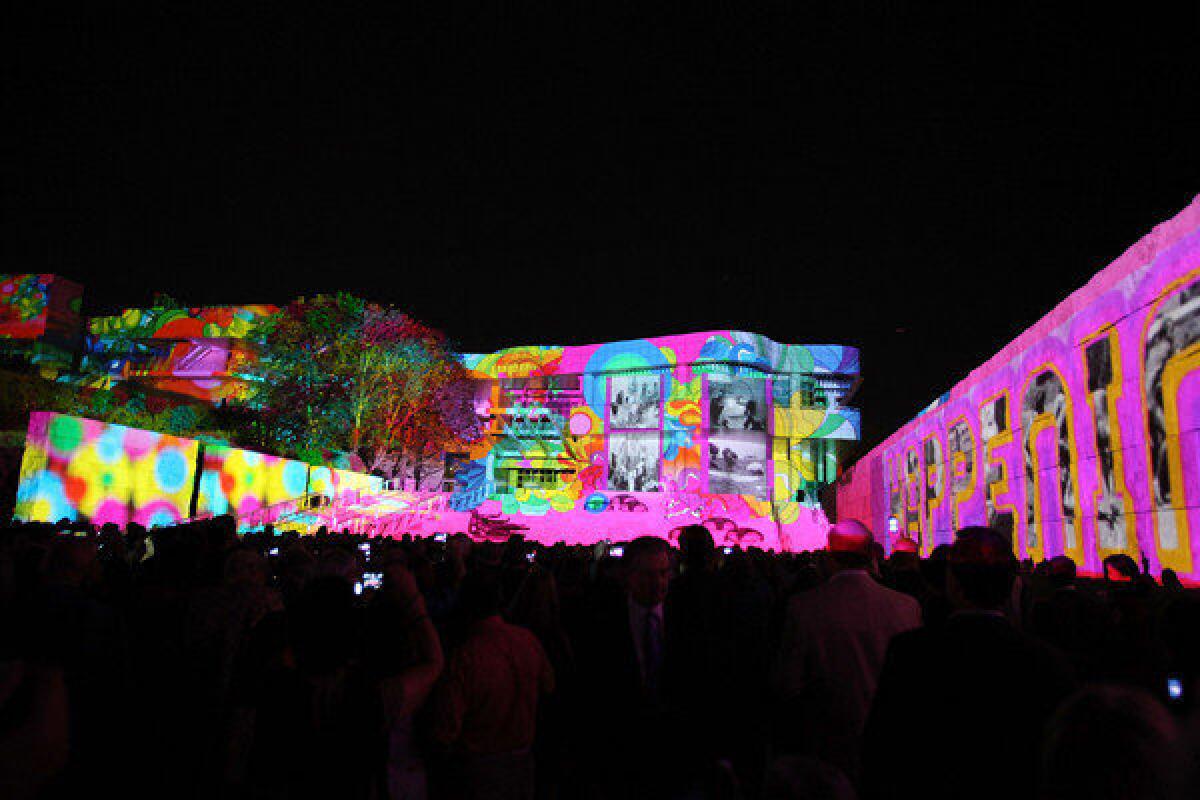
Contemporary malls increasingly adopt festival aesthetics—temporary stages, immersive lighting, pop-up markets, and themed installations. These experiences blur the lines between entertainment venue and shopping destination.
As highlighted in Reimagining the Mall, experiential programming is essential for attracting younger demographics seeking authenticity and shared experiences.
The Food Court as a Cultural Icon
No discussion of mall pop culture would be complete without examining the food court. Once a simple convenience feature, it evolved into a social ritual space.
Food courts became meeting hubs for students, families, and friend groups. Their open seating arrangements encouraged conversation, observation, and community interaction—echoing themes explored in The Mall as a Third Place.
Today, food halls and chef-driven culinary concepts elevate this tradition, transforming dining zones into experiential attractions that blend gastronomy with design and social engagement.
Fashion, Trends, and Youth Subcultures
Malls have long influenced fashion cycles and youth identity. In pre-digital eras, they were primary discovery zones for new brands, music styles, and subcultural aesthetics.
Retail as Trend Incubator
Window displays, flagship stores, and limited-edition product drops shaped consumer tastes. Sneaker launches and brand collaborations often turned malls into epicenters of anticipation and cultural momentum.
The Role of Visual Identity
Architectural features, murals, and interactive installations also contributed to the mall’s cultural presence. Artistic integration, similar to what is discussed in Murals in Shopping Malls, enhances visual storytelling and social media visibility.
In the digital age, pop culture spreads instantly through social platforms. Malls now design experiences with shareability in mind.
Instagrammable Installations
Immersive art displays, interactive LED walls, and seasonal décor become viral photo backdrops. These visual moments extend marketing reach organically.
Influencer Collaborations
Retail centers partner with content creators to host meetups, product launches, and live-streamed events. These partnerships amplify brand visibility among niche audiences.

Economic and Strategic Value of Cultural Positioning
Integrating pop culture into mall strategy delivers measurable benefits:
- Increased foot traffic during events and launches
- Stronger tenant-brand partnerships
- Higher dwell time and cross-store exploration
- Enhanced emotional loyalty
- Expanded media coverage
Cultural programming transforms malls into destinations rather than errands. Visitors arrive for entertainment and remain for commerce.
Adaptive Reuse and Cultural Reinvention
Many aging malls are leveraging cultural programming as part of revitalization strategies. Vacant anchor spaces are repurposed into event venues, art galleries, or performance halls.
This approach reflects adaptive reuse strategies discussed in Adaptive Reuse Transforming Retail Spaces, where innovation reinvents underutilized assets.
Balancing Authenticity and Commercialization
While cultural integration offers opportunities, authenticity remains critical. Over-commercialized events risk undermining credibility. Successful mall pop culture initiatives prioritize genuine artistic partnerships and community collaboration.
Trust-building aligns with modern search quality principles emphasizing experience, expertise, authoritativeness, and trustworthiness. Transparent partnerships and meaningful programming foster sustainable engagement.
The Future of Mall Pop Culture
Looking forward, malls may increasingly host hybrid entertainment formats:
- Esports tournaments and gaming expos
- Film premieres and immersive cinema activations
- Multi-day music and art festivals
- Interactive fan conventions
These initiatives reinforce the mall’s cultural relevance while supporting diversified revenue streams.
Industry research from PwC Global Entertainment & Media Outlook highlights the continued growth of experiential entertainment sectors—an opportunity retail destinations can strategically embrace.
Frequently Asked Questions
Why are malls important in pop culture?
They serve as social hubs and iconic settings in film, music, and fashion.
Do malls still influence youth culture?
Yes, especially through events, fashion drops, and social media activations.
How do music festivals benefit malls?
They increase foot traffic, brand exposure, and tenant engagement.
Can older malls revive through cultural events?
Yes, adaptive reuse and entertainment programming can boost relevance.
Is pop culture integration profitable?
When authentic and strategic, it drives loyalty and commercial performance.
Pop culture has shaped the identity of shopping malls for generations—from cinematic storytelling to live music gatherings. Today, cultural programming is not merely nostalgic; it is a forward-looking strategy for experiential retail growth.
By embracing entertainment, artistic expression, and community engagement, malls can evolve into dynamic cultural landmarks that blend commerce with creativity. In doing so, they secure a lasting role within the social fabric of modern cities.
Leave a Reply
You must be logged in to post a comment.