The Mall as a Third Place: Blending Commerce with Connection in Modern Retail

The concept of the Third Place has become increasingly relevant in discussions about the future of retail. As consumer expectations evolve beyond transactions, shopping centers are redefining their purpose—transforming from purely commercial venues into social environments where people gather, interact, and build community.
In today’s experience-driven economy, malls that successfully position themselves as a Third Place gain a strategic advantage. They become more than destinations for shopping; they evolve into vibrant civic hubs that foster belonging, engagement, and emotional connection. This shift is not accidental—it reflects deeper urban, cultural, and technological changes shaping how people live and socialize.
This article explores how malls can authentically embrace the Third Place model, blending commerce with connection while aligning with modern retail strategies and long-term urban development goals.
- Understanding the Third Place Concept
- Why Malls Are Naturally Positioned to Become a Third Place
- Blending Commerce with Connection
- The Economic Value of the Third Place Strategy
- Urban Revitalization and Civic Impact
- Challenges and Considerations
- The Future of the Mall as a Third Place
- Frequently Asked Questions
Understanding the Third Place Concept
The term Third Place was popularized by sociologist Ray Oldenburg to describe social environments separate from home (first place) and work (second place). These spaces—such as cafés, libraries, and community centers—serve as informal gathering spots that nurture conversation, civic participation, and social cohesion.
In an era marked by digital communication and remote work, physical spaces that encourage authentic interaction are more valuable than ever. Malls are uniquely positioned to fulfill this role due to their accessibility, infrastructure, and mixed-use potential.
Why Malls Are Naturally Positioned to Become a Third Place
1. Centralized Accessibility
Shopping centers are often strategically located within residential and urban cores. Their parking facilities, public transport connections, and pedestrian access make them convenient gathering points for diverse demographics.
2. Mixed-Use Capabilities
Modern retail environments incorporate dining, entertainment, wellness, coworking spaces, and event venues. This diversification supports the organic social interactions that define a successful Third Place.
As discussed in Reimagining the Mall, contemporary retail strategies emphasize multifunctional environments that extend beyond traditional shopping.
3. Climate-Controlled Comfort
Unlike outdoor public squares, malls offer year-round comfort regardless of weather conditions. This reliability strengthens their appeal as everyday social hubs.
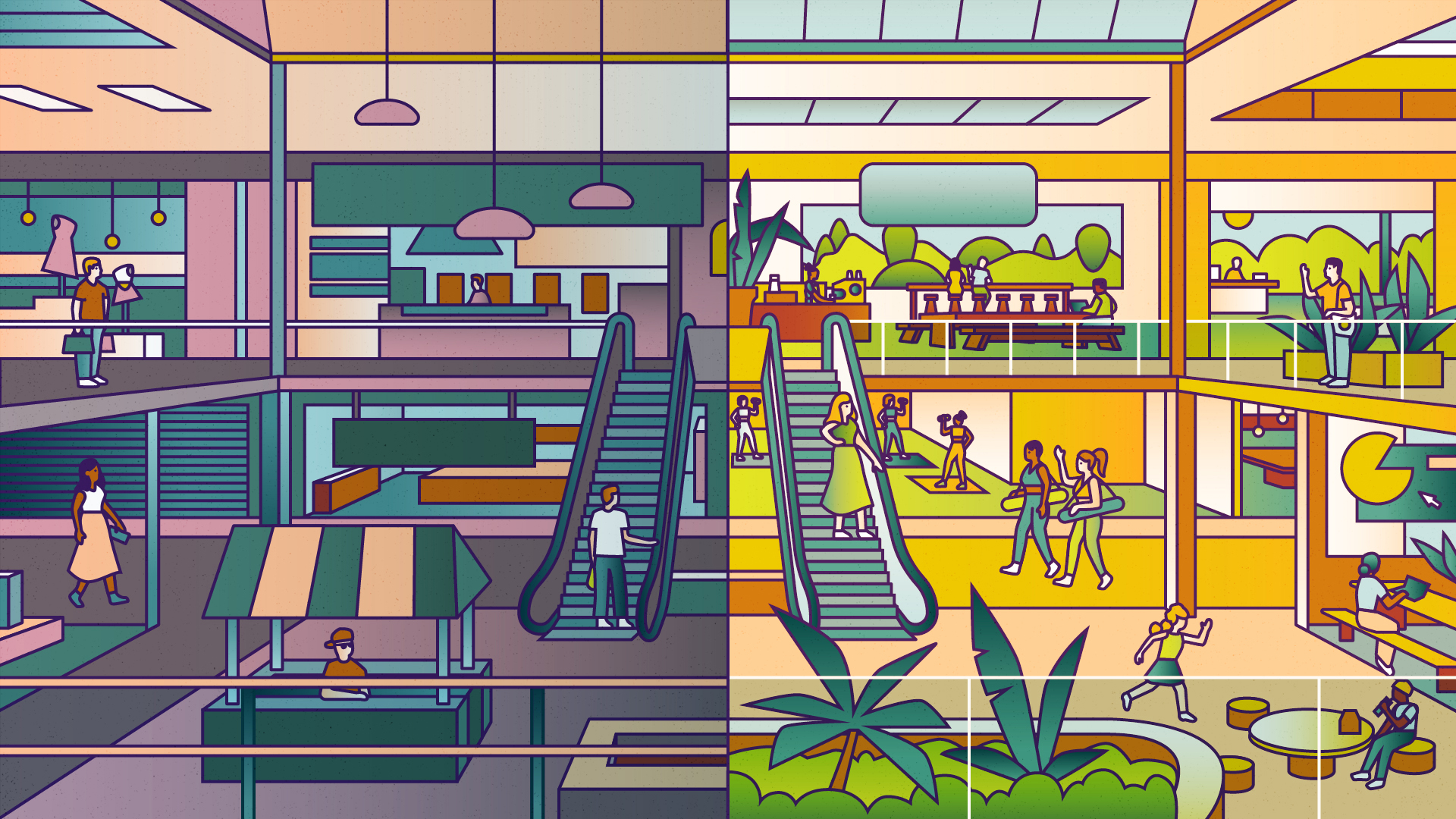
Blending Commerce with Connection
The challenge lies in balancing commercial objectives with authentic community-building. A mall cannot simply declare itself a Third Place; it must intentionally design experiences that foster meaningful interaction.
Community-Centered Programming
Hosting cultural events, live performances, workshops, and seasonal festivals transforms retail corridors into interactive social stages. These initiatives encourage repeat visits and deepen emotional ties.
This strategy aligns with insights from Malls as Social Spaces, where programming is positioned as a catalyst for engagement.
Art and Cultural Integration
Incorporating public art, exhibitions, and creative installations strengthens identity and encourages visitors to linger. Artistic collaborations, similar to those explored in Murals in Shopping Malls, transform transitional spaces into conversation starters.
Flexible Seating and Gathering Zones
Design matters. Comfortable seating clusters, open lounges, and communal tables invite spontaneous interaction. These seemingly small design choices significantly influence how people use space.
The Economic Value of the Third Place Strategy
Embracing the Third Place model is not purely philosophical—it has measurable economic implications.
- Increased dwell time: Social environments encourage longer visits.
- Higher cross-tenant exposure: Visitors exploring communal zones pass multiple storefronts.
- Stronger tenant retention: Retailers benefit from consistent foot traffic.
- Enhanced brand perception: Community-focused malls build long-term loyalty.
Research consistently shows that experiential retail environments outperform purely transactional ones. When visitors feel connected to a place, they return—not just to shop, but to belong.
Urban Revitalization and Civic Impact
The Third Place approach also contributes to broader urban development goals. In many cities, malls serve as anchors for downtown regeneration and neighborhood cohesion.
As explored in Downtown Revitalization and Malls, retail centers that integrate community programming can stimulate economic activity while reinforcing social infrastructure.
When malls host public forums, educational initiatives, or local markets, they extend their influence beyond commerce into civic life.
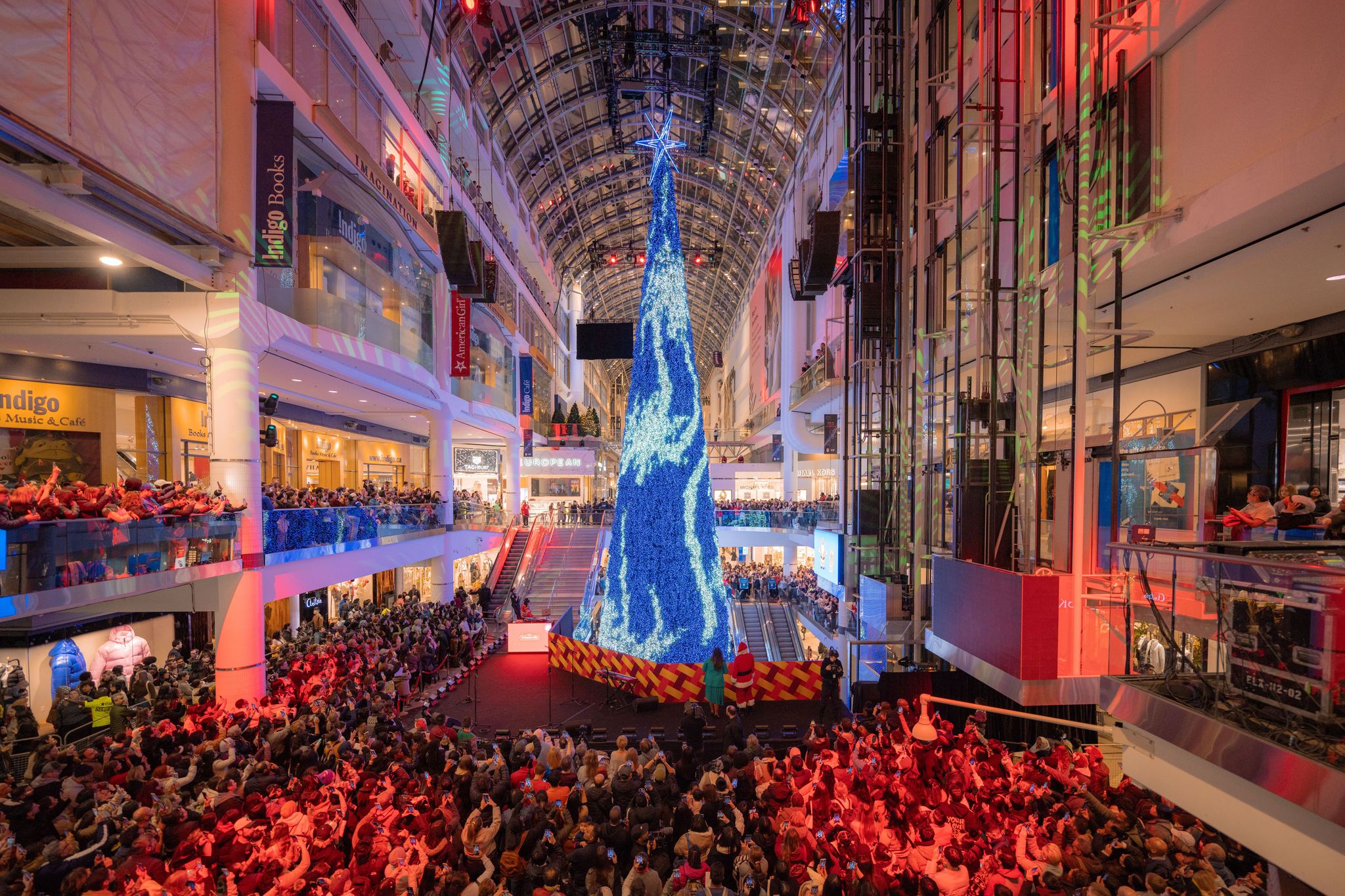
Design Principles for Creating a Third Place Environment
Human-Centered Architecture
Spaces should prioritize comfort, openness, and visual warmth. Natural lighting, greenery, and biophilic elements enhance psychological well-being, as discussed in Biophilic Design in Shopping Centers.
Inclusivity and Accessibility
A genuine Third Place welcomes diverse age groups, cultures, and socioeconomic backgrounds. Universal design principles and inclusive programming are essential.
Technology as an Enabler
Digital platforms can enhance social interaction through event notifications, loyalty communities, and interactive installations—without replacing face-to-face engagement.
Challenges and Considerations
While the Third Place strategy offers significant benefits, it requires thoughtful execution:
- Avoid over-commercialization of community spaces.
- Maintain security while preserving openness.
- Balance event frequency to prevent visitor fatigue.
- Ensure authenticity in partnerships and programming.
Trust and credibility are fundamental. Visitors must perceive community initiatives as genuine rather than purely promotional.
The Future of the Mall as a Third Place
As remote work becomes more common and urban lifestyles continue evolving, demand for flexible social environments will grow. Shopping centers that proactively embrace the Third Place philosophy will strengthen resilience against economic shifts and digital competition.
Future-forward malls may incorporate coworking lounges, community classrooms, wellness hubs, and cultural incubators—creating ecosystems where commerce supports connection rather than overshadowing it.
Frequently Asked Questions
What is a Third Place in retail?
It is a social environment beyond home and work where community interaction occurs.
Why are malls becoming Third Places?
To foster connection, increase engagement, and remain relevant in modern cities.
Does the Third Place model improve revenue?
Yes, longer visits and loyalty often translate into higher sales.
Through events, art integration, seating areas, and inclusive design.
Is the Third Place concept sustainable long term?
Yes, when supported by authentic programming and community trust.
The evolution of the mall into a Third Place represents a pivotal shift in retail philosophy. By blending commerce with connection, shopping centers can strengthen social bonds, support urban vitality, and enhance economic performance.
In a world increasingly shaped by digital interactions, physical spaces that cultivate authentic human connection hold enduring value. Malls that embrace this transformation are not simply adapting—they are redefining their role within the social and economic fabric of modern communities.
Leave a Reply
You must be logged in to post a comment.